
HEARTset Leadership Podcast
Season 1
Ep 6: Building Confidence and Visibility for Women Leaders w/Debbie Bryan
Listen on:
Episode Summary
Unlocking the Power of Quiet Brilliance in Leadership
In this episode of the HEARTset Studio Leadership Podcast, Debbie Bryan joins Coach Lisa Virtue. Debbie is a TEDx speaker and curator committed to helping "quietly brilliant women" step into their confidence and visibility.
This conversation uncovers how so many remarkable women stay behind the scenes, waiting for permission or the “perfect time” to share their ideas and claim well-deserved opportunities. Debbie shares inspiring, practical wisdom from years of coaching, along with her personal story of resilience and self-advocacy.
Key Takeaways:
You don’t have to wait to be “ready.” Many women, even at the top of their fields, delay putting themselves forward due to self-doubt. Don’t wait for a future version of yourself—your experience and story are valuable now.
Authenticity builds connection. The most impactful leaders share real stories—even the mistakes (like cycling through the Cotswolds in underwear!). Authenticity breaks down barriers and inspires genuine trust and engagement.
Visibility is not self-promotion; it’s service. Sharing your story is a gift. Others relate, learn, and feel empowered when you show up as your true self.
Let’s continue to champion quietly brilliant leaders—encouraging them to step into the spotlight, bring their whole selves to work, and lead the way for others.
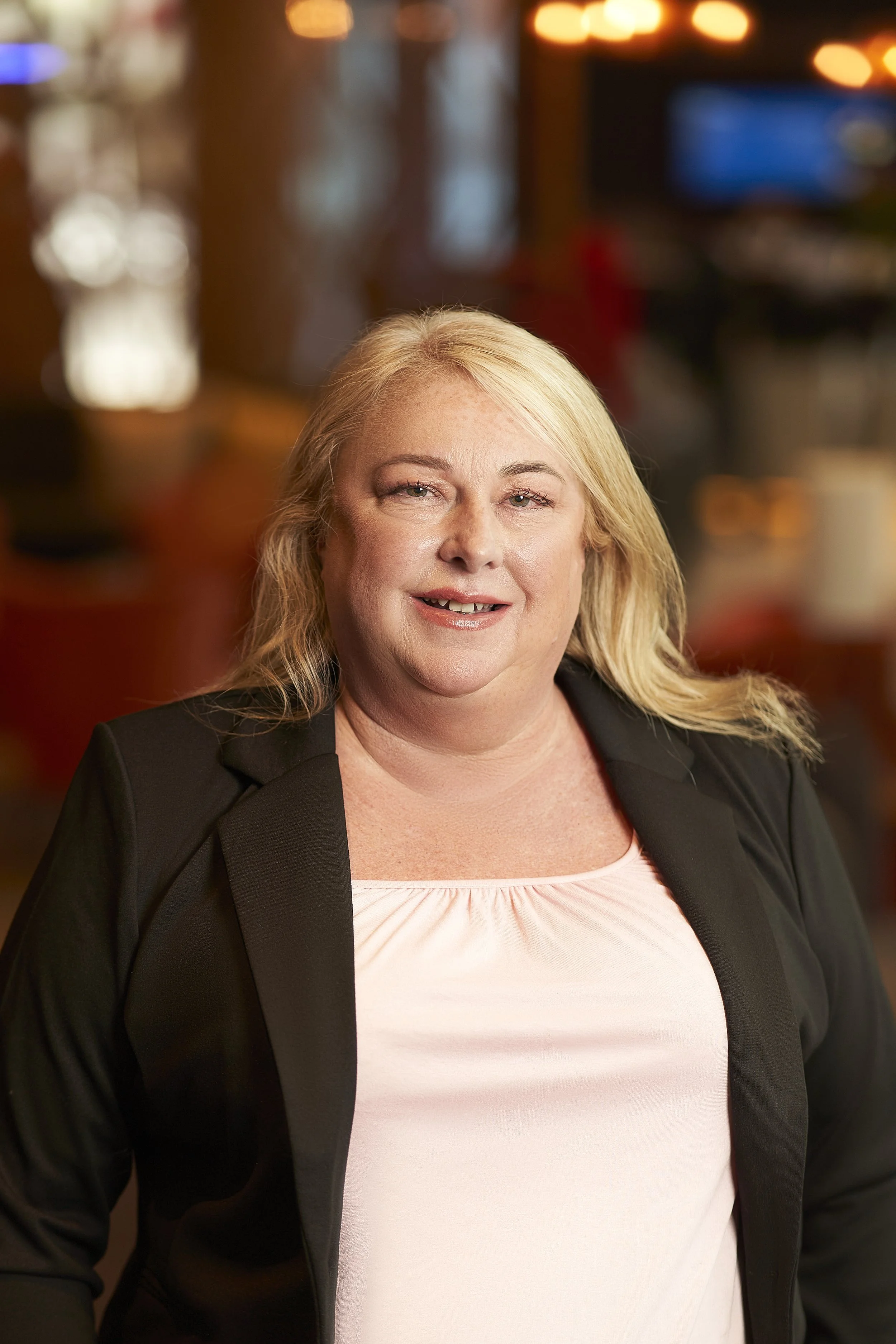
Connect with Debbie here:
About Our Guest:
TEDx curator, speaker, and visibility strategist who helps quietly brilliant executives, founders, and leaders speak with confidence and achieve the recognition they deserve.
Transcript
Lisa Virtue [00:00:02]:
Debbie, thank you so much for being here. We're talking all the way across the world. So it's your evening, my morning. My son keeps streaking through my curtains, lighting me up. So hopefully we figured that out with the curtains, but thank you so much.
Debbie Bryan [00:00:16]:
I love the light. It's very biblical. I like to think it's a light shining down on the good people.
Lisa Virtue [00:00:25]:
So sweet. And with my last name, Virtue, it's kind of fun to play on that, too.
Debbie Bryan [00:00:29]:
It's a bit of a partner. Didn't even realize. Let me start the comedy.
Lisa Virtue [00:00:35]:
Yeah, it's perfect. Well, why don't. Before we get into our conversation, why don't you just let our audience know a little bit about you and what you do with your work?
Debbie Bryan [00:00:45]:
Okay. So my name is Debbie. I'm based in the uk and I help. I want to use the terminology quietly brilliant women. So women who are super successful but pretty invisible. So I help them to become more confident, more visible. I am a TEDx speaker and I'm also curating a. Curating is a funny word.
Debbie Bryan [00:01:05]:
I'm organizing an event for TEDx here in my hometown next year. So I've been dealing with quite a lot of people that are different levels of visibility. And, yeah, I'm really excited about it.
Lisa Virtue [00:01:18]:
I love this phrase, quietly brilliant women, because I do feel like the majority of working women are quietly brilliant, even if they're loud.
Debbie Bryan [00:01:30]:
Well, they just. We're. We're not taught, you know, we're taught to be a little bit humble. I don't know, like, maybe not so much in the U.S. but for women, we are taught, you know, that don't make a fuss, don't brag, don't, you know, be nice and. And all this sort of stuff. And then what happens is that we work really hard and think the hard work is going to pay off, and it doesn't. You know, I've seen so many times, and I've been a coach for well over 25 years.
Debbie Bryan [00:01:54]:
And for myself, my own invisible. I used to call myself Debbie from Swindon. When I was trying to speak, I was like, who's going to listen to Debbie from Swindon? Because I felt like a lot of the speakers in the arena I was in at the time with the coaches were men, and you had to be that style. So I really struggled to until I discovered, like, my own voice of my own just be real me with that side of it. And I see it so many Times I see people that are, you know, know, amazing at their jobs. I've got a lady who's, she used to work in the eu, you know, getting money and funds and completely lost her confidence when we had the Brexit because all the jobs disappeared. But she's got 45 years of achieving fundraising for people and she's just like, oh, I don't do anything. And I worked with her and turned her confidence around and she's absolutely like my most.
Debbie Bryan [00:02:51]:
What do they call it? Raven fan. We call it a Raven fan in the uk. So she's my most Raven fan because she's like, you gave me my life back. I thought I was, I thought I was finished and that nobody'd be interested in me. And the reality is she had so, so much knowledge. And so the quite quietly brilliant. Oh, sorry, frog on my throat there. Quietly brilliant actually came from the TEDx.
Debbie Bryan [00:03:13]:
So when we were looking at, for speakers for the TedX Railway Village, which is June 19 next year, we, we were looking at speakers for that, the, the license. So I'm the executive producer. So I coach all of the speakers and help them craft their stories and they're fascinated. But there were some people that had been offered the TED that he felt was honorary in the town and that would bring something to the entertainment. And half of them turned it down.
Lisa Virtue [00:03:42]:
Half of them turned it down, Half
Debbie Bryan [00:03:44]:
of them turned it down. They, they had to send me a one minute video and they just didn't. And I couldn't understand it because I know people that have spent three years applying for TED or 300 times they've applied for TED. I flew to Canada for mine. And so, you know, they want it more than life. And these people are like, oh, no, thank you, I'm not ready. I'm not good enough. I know it's on my bucket list, but not right now.
Debbie Bryan [00:04:07]:
And I'm like, wow, you've got this amazing opportunity. And I thought, well, why are they turning it down? What is it? Am I not, Am I not, you know, helping them enough? And I realized that actually they didn't have the belief that they deserve to be on that stage. Yeah. So. But all where I was teaching speakers, I was like, oh, actually, Deb, you're too far ahead. You need to come back and shift that. I deserve to be on the stage. Before you go, what are we going to talk about? And so that's where the quietly brilliant women came from.
Debbie Bryan [00:04:40]:
Because I started to see that there were all these people who just didn't think they were good enough or they were ready or it was. And it happens since the ted, like lots of times of conversation, people like, yeah, I'd love to do it, but in 10 years. Nothing's going to change in 10 years, you know. So, yeah, that's kind of where, sorry,
Lisa Virtue [00:05:02]:
out of that 50 that turned down the TED talks were. Do you happen to know how many were female?
Debbie Bryan [00:05:11]:
Most of the females. Most of the men said yes. And most of the females, I had to either talk them into it or they just never submitted the video. They just didn't get around to it and then they wanted to talk about their business. So for TEDx, it's not about your business, it's about the idea that it's worth sharing. And they had phenomenal amounts of skills but still try to justify their business or what other people had done and didn't, couldn't focus on themselves. It's so interesting. I love it.
Debbie Bryan [00:05:44]:
I love that part of it of evolving the story. So to give you an example, I've got a lady who runs a dance studio here in Swindon who used to be a choreographer in London and she runs this massive dance. Actually where we're at the venue, where we're going is the dance studio where we're having a thing. And when I talked to her, one of her stories, just one of her stories was that someone came to her and said, we want to do this jazz festival. And so she was like, okay. And it was for, I think it was like 14 to 28 year olds. Don't quote me on that. Right.
Debbie Bryan [00:06:16]:
But it was that it was an age group and so they put this on and they put it maybe on social media and they were sitting there on the day and nobody had applied, like literally nobody applied and had this other dance instructor were there and they went outside the studio and when they opened the doors, the queue was around the building, around the building and down the street. All these people had come together to do this dance festival. So that started and our, our theme for the, for the TED Talk is lines of connection because it's railway village and stuff like that. So where that started is that now that festival runs every year. 5,000 people come into that festival from all around the world, like literally. And that connection of like bringing all those different people together to me is the most amazing thing. And she. I've got lots of stories, but to get her talk down to just that without going, this is how I started.
Debbie Bryan [00:07:11]:
This is what I did. This one got my first ballot. I'm like, you've got 12 minutes, honey, 12 minutes. You can't do all that background, you know, show some pictures to get that. And so once we got it to that, then she's super excited. And then she's like, oh my God, I can't wait to do this. And I'm thinking of maybe I'll bring a dance from behind me or maybe I have some pictures or it's just kind of going, what's your story? What's the. It doesn't have to be your whole story.
Debbie Bryan [00:07:35]:
But what's. I mean, to me, I just think that's phenomenal that you can start with an idea. All of a sudden all these people are on and then it's a worldwide thing that happens every year and people are flying from Australia, New Zealand and the States and Canada and India and so many different places out of something that started from nothing. And it was just a bit of fun idea type thing. And so she literally, that level of success and she kind of attributes to somebody else is no big deal. And that's a classic, quietly brilliant. But I work with a lot of like women in leadership in, in corporates. They're exactly the same that aren't wanting to go for that job, go for that role, you know, go for the board, go for the manager's role, go for the, the leading roles because they don't think that they're good enough or they're not heard or they just come in, do their job.
Debbie Bryan [00:08:30]:
Amazingly, caused no trouble. I've done this. I worked in a call center when my children were young, customer services went in, did my job, didn't need anyone to escalate my calls. I could do all of it myself and walked back out the door to go and do the school run. And my team leader never spoke to me because he didn't need to. So it's just, she can do the job, she gets on with it. So therefore the big troublemakers were the ones who are all on team development. They were all on having mentors and having extra training because it was the guys.
Debbie Bryan [00:09:02]:
Normally it was the troublemakers, but it was the people who weren't as good as me were getting all the fuss. And I think most women have been in that situation.
Lisa Virtue [00:09:12]:
Oh, I can't agree more. I would love to respond to a few things you said. One is that this idea of getting confident in order to show. Share your story. Speak in public. Right. I think the Top statistics are 75% of people in the world are fearful of public speaking. So we could talk about that and why that Is.
Lisa Virtue [00:09:34]:
But what I find too, in my coaching practice with leaders and, you know, high executive level, especially women, I do have some men that struggle with this as well. There's a lot of times they worry about self promotion. They worry about how will I come across. They also worry about nobody cares about my story. Right? Let's just get to work and do the work. And one of the philosophies of Heartset Studio, what we're going to be weaving into this conversation is that mindset is all about you and how you show up for yourself. Right? Getting yourself in the right mindset. And then this concept of heartset is how you show up for others.
Lisa Virtue [00:10:14]:
And one thing I've seen breakthroughs with my clients a lot of. Of times is when they can realize people want to hear their story. I was a facilitator for the Google I am remarkable program where you get people, strangers together. Typically, sometimes teams do it, but I did it all virtually. People around the world would get on and talk about their vulnerability and talk about their story and talk about how do you build confidence in the workplace. And a big part of it was everyone else in the session wanted to hear everyone else's stories. And for someone to show up, be vulnerable, and hear, oh, they actually want to hear my story. It's a gift to them to tell the story that I find can create so much breakthrough when people really realize that deep down that it's actually a gift you're offering others.
Lisa Virtue [00:11:05]:
And as women, we're so good at taking care of other people that I do believe that when we put that mindset on of I'm gonna show up like TED talks, how many people are googling TED talks all the time are like, oh, you had a tug talk. I want to go, I want to go listen. I want to go hear it. Nobody's saying, oh, that person's so boisterous.
Debbie Bryan [00:11:24]:
No, they don't. But I think, I think that, you know, that's when I, my speaking changed from. I. I did have this very. Not corporate, but I was in a. With a big male coach and it was a very male environment and it was very money, money, money, and how you can do this and how you can do that. And so every time speak there, I was just like, didn't feel like I had the authority. So one of the speakers was an NLP master.
Debbie Bryan [00:11:50]:
So I thought, oh, if I go and get that, then it'll all fall into place for me. So I did the NLP master in the lockdown and then did it again because it didn't fall into place for me. So the masters. I was like, okay, an online course didn't work for me. I need to go into one that's a cohort. So I spent like £2,000 to do it again and it still didn't. And when I realized I was already doing all the stuff for the nlp, but a bit like Tony Robbins are doing it in a normal language and not an NLP language, when I was listening to him, I was like, he's just doing nlp, but he's doing a language that people could understand. And then I kind of just got to a point where I was like, I feel like this environment is not the right environment for me.
Debbie Bryan [00:12:34]:
But I don't. I kind of lost myself a little bit in this inauthentic person of. We all sounded like this coach, we all sounded like him. And it's still happening. So I'm not going to name any names, but I see people working with them. He was such a strong character. You kind of ended up almost like a cult emulating him. And so I came away and I.
Debbie Bryan [00:12:54]:
And I was just like, I didn't really know how. Where I was going. I just knew that wasn't right for me. And that was when I learned about masculine feminine energy. I didn't even know any of that stuff. And I was like, I just thought it was, you know, go to work, go hard. Afterwards, I realized I was quite cruel to myself. I was brilliant for my clients, but actually was cruel to myself.
Debbie Bryan [00:13:13]:
And I was. Was very comfortable living in chaos. You know, the chaos of like. And I don't know, I meet a lot of people that are similar to. This really is. I didn't think it was chaos. I thought it was just, you know, going all in. And I used to crave holidays and, and crave like, exotic stuff.
Debbie Bryan [00:13:31]:
And I realized afterwards I was soothing myself with these expensive holidays and we've gone out for nice meals and taking the family out, but then also putting pressure on to have to go and earn the money for these expensive holidays. And I was just in this cycle that I would constantly be going, I need to book holiday. And then afterwards when I came away from it, I was like, I went for a process which is a little bit spiritual. So probably won't go into that now, but it was. Once I'd come out of it, I couldn't go back. I didn't know how to go back. And so then I didn't know how to start stuff. So I kind of booked myself onto this Bike ride.
Debbie Bryan [00:14:09]:
So I had a prediction after a car accident 16 years ago next month that at the age of 55, I would be in a wheelchair. So I had already relearned to walk, couldn't walk for six months. And then, you know, two years later, they tell me that I'm going to be in wheelchair at 55 years old. So I just think, well, you know, I'm going to fight with that. I'm not accepting that answer. That's not going to happen to me. And my friend said to me, do you want to do this, this bike ride? So I thought, yeah, let's just do it. And I signed up to go cycle around India, like 370km around India, because I just thought, well, let's use them before we lose them.
Debbie Bryan [00:14:45]:
If I'm going to be in a wheelchair now, I need to have an adventure, like right now. And so then I started training for that, and then people were interested in that. So I started talking about the accident. If you watch my Ted, it kind of is, but talking about this car accident where I should have been dead. Save my life. Save my own life by taking two steps. And then the journey after that, and then this bike ride that terrified me. Like, literally terrified me, because I was just thought I could only circle, like five miles when I started, and I had to do 370 kilometers, about 225 miles.
Debbie Bryan [00:15:21]:
In five days. In five days. So my local radio station asked me to come on and I talked about that. And then they were like, somebody else said, oh, do you want to come on my podcast? Really like that story? And it kind of grew. And I realized that actually what was happening is I was just talking about real things that I thought were perfectly normal. I thought I just did what anybody else would do. Everybody would argue with their doctors, argue with their surgeons. On the first time that they came to me in the hospital and said, we can, you know, we can operate on you, but you.
Debbie Bryan [00:15:53]:
You're not going to be able to walk on your leg. And I just said, you have to be joking. And that's just the wrong answer. And four times they came back and gave me a different solution. And then I couldn't stand on my leg for six months. And then obviously for them to say, oh, actually, you've got to be in a wheelchair. And I was like, no way, no way. After I've done all this fighting, are you going to write me off? And I just thought everybody would react like that.
Debbie Bryan [00:16:14]:
But it turns out that people don't necessarily. The more normal the Normal thing is to accept what the doctor says the first time. And I don't know why I didn't. And also for the wheelchairs to come home and build a ramp and wait for the wheelchair. And I was just like, that's not happening to me. So when I started to talk about that, people then started to come to me with their stories and they had amazing stories. I literally have a client that was here today who I only started working with last year, but she told me her story in as I said, up a podcast and it was like whatever it takes when life gives you lemons. And I had all these stories that people were telling me about domestic abuse or their child dying and how they built a career or different stuff.
Debbie Bryan [00:16:57]:
And they were all quite hot, I suppose, quite hot. And I come out of this bang, bang, bang, 10 million in half an hour world and, and all these people are doing it. And actually I've probably been on like 50, 60 podcasts now and people just interested in that and that was a real learning curve. I've been a couple of books and co author books and stuff like that and this story is just, it inspires people. And so I got to, to the stage of going, okay, maybe I have something here. Maybe if I just be the real me, then people are more interested than when I'm trying to pretend to be somebody else. And that's kind of where I started to. Every time something happened, I was still like, gosh, Debbie from Swindon who used to blush and stutter and go bright red even like at my age, still blushing, you know, like when does that stop? Now you're suddenly going to go and stand on the ted st, go and speak at the House of Lords or just mind blowing things that happened when you become the real you.
Debbie Bryan [00:18:01]:
And I think your audience know when you're telling the truth. They know when they're being. We're cave people, aren't we're designed within seven seconds to know whether you're going to kill us or be our friend type deep down. And so that's one of the things that I, I love about the quietly brilliant women is that not asking them to be something different, I'm just asking them to understand the brilliance and the power they already have and actually own that, you know, actually own it. Because I find that people are waiting to become the person that they think they need to be. They already are. They just don't see it. And that's kind of the, that confidence, I suppose confidence is such a hard word in coaching I think because how do you measure confidence? How do you say, right, I've been, I'm a confidence coach.
Debbie Bryan [00:18:50]:
I used to know a confidence coach and he's the least confident person I've ever met. It was just like, okay, you're not confident. How are you going to teach me? And it obviously came from there of him not being confident and feeling like he was further along how much I coached him to, to go on to video. And he was just like, he was brilliant, actually. But I was just like, so everyone's like, fake it till you make it. We've got social media telling us that everyone's perfect and that they're doing all this stuff. I cycled around the Cotswolds here in see through shorts that turned out to be underwear as opposed to cycling shorts because I had no idea what I was doing. I didn't know how to change gears, honestly, for months.
Debbie Bryan [00:19:32]:
I bought this pair of my friends said, you have to have 10 pairs of shorts to go cycling. You have some in your bag and you have all these little bags for each day. She's like, so super organized. So I was like, okay. And so I bought these and she said to me, deb, all you've got to worry about girls is the padding. So they're padded, the shorts in an area that sits on the saddle. So I said, all you need to worry about is that. She said, so as long as you've got the padding, doesn't matter what they look like.
Debbie Bryan [00:19:57]:
I look like a pair of sausages, really. And I went onto Amazon and ordered these padded cycle shorts and I cycled to her house and she said, oh. I said, they're a little bit thin, aren't they? And I said, well, they look, they look fine. They look fine to me. All my T shirt down. I checked him in the mirror, obviously. And she said, oh, I'm not sure. I'm not sure about them.
Debbie Bryan [00:20:18]:
She said, I can kind of see your tattoo at the base of my spine in a place where no one can see it. That's the whole point of it. So anyway, I come home, looked at, they look fine. So I carried on in these shorts for a couple of months, like cycling around the Cotswold, 50 miles, whatever, until I then ordered the big pack to go to India in the November. So I ordered 10 pairs and they are mesh, just like a mess.
Lisa Virtue [00:20:42]:
Talk about being yourself, Debbie.
Debbie Bryan [00:20:45]:
Yeah, so I was just like, this is bro. And then I go to Amazon and realize that they have cycling shorts that you wear because you don't Wear underwear with them and then underwear, cycling shorts. So I've been cycling in my underwear for absolutely months. And that's like. I text my friend and I said to her, I've sorted out the shorts. And she said, oh, really? And I said, underwear she wear. That figures. That explains it.
Debbie Bryan [00:21:07]:
So. But I will tell you that on my TED Talk, you know, I will go on stage and say, look at me, I'm just a normal person, I can make mistakes. I'm not a professional cyclist. I don't know what I'm doing. I didn't know how to do the care. Someone had to show me how to change gear because instead of like, there's gears on both handlebars and I just use one, I didn't use the other. So I just have seven instead of 21. So I think, you know, when I'm talking about something that's happened in my real life and a technical speaking, if you're talking about something that happened in real life, if you screw it up, no one else knows.
Debbie Bryan [00:21:44]:
No one else knows. So you can go onto a stage and talk about in a framework so that obviously you can remember what you're talking about. But if a little bit goes wrong, the audience don't know because they don't know your life. And so you. It. It takes away some of the nerves for speaking.
Lisa Virtue [00:21:59]:
There's so many places this shows up in the workplace, isn't there? I work a lot with people that are in career transition as well, and they're trying to go for interviews or talk to contacts about what they want to do. And that contrived feeling of scripting something versus preparing it, like you said, in a framework and being able to deliver your authentic story, and it's your story, it's not something AI made up for you. It's like this really happened, right?
Debbie Bryan [00:22:29]:
Somebody was saying to me just yesterday that she'd interviewed somebody and she was like, if I wasn't on a zoom looking at this person face to face, she said the answers were textbook. It's a care provider. So our care provider for my mum, she said they were textbook. And I said, but show now they can just be reading off the screen. You know, the AI can listen in and give you the answers. There's an app that does that. And she was like, oh, my goodness, I didn't know. And so scary.
Debbie Bryan [00:22:57]:
She's. The funny thing is, is although this person gave the perfect answers, if you go back to us being cave person, right, she doesn't trust those answers. She knows there's Something wrong there. Y. So actually, instead of it impressing, it's caused mistrust.
Lisa Virtue [00:23:12]:
Yeah. I think. You know, we were talking about AI earlier when we were talking about our personal lives too. Off this call. And there's some places where it can be so powerful to solve real human problems. And then these places like interviewing, telling your story, even resume writing. There's so many problems that can come with. If you have AI do it for you, like someone else is going to be doing it too.
Lisa Virtue [00:23:35]:
And then the recruiter sees two identical resumes. Guess what? You're not getting an interview.
Debbie Bryan [00:23:40]:
I've noticed because I. You. I do use AI quite a lot, so, you know, like copywriting and stuff like that. But then I change it and I'm.
Lisa Virtue [00:23:48]:
Same. Yeah. Brainstorming.
Debbie Bryan [00:23:49]:
You can go make it sound like Cody Sanchez. Make it sound like this person and then I'll get that, like the. The power bit into it and then I'll. Then I'll take it over myself. But actually, I had a Facebook post that come up this morning. I'm going to own up to this because a year ago it was like, this is what I'm going to do in 2025. And it's got all the dashes and it's got all the AI words that now are glaringly obvious. But I had no idea back then.
Debbie Bryan [00:24:12]:
And actually none of what I was going to do happened in 2025. I had a. A very medical year. I spent a lot of time with my family in various hospitals and I looked at it and I thought I should just post that and go, you know what? None of this happened. The reality is, like, I was going to travel and speak on stages and stuff like that. So. But I was like, the AI, there was probably a disconnect from my clients.
Lisa Virtue [00:24:39]:
Yeah.
Debbie Bryan [00:24:39]:
You know, probably doesn't sound like me. So they're like, that's not. And people now are very quick to go, that's AI. That's not you. And there is that disconnection. What we were joking about was carers, so at the moment was struggling to get care of, like, for my mum and. And we were talking about when we're older and, you know, we've got care needs and stuff, that perhaps that's when a robot would be really helpful for us.
Lisa Virtue [00:24:59]:
Yes.
Debbie Bryan [00:25:00]:
Come and look after us. And that the staffing crisis in care would go. So we've. I think we solved the problem. We just need to get some robots.
Lisa Virtue [00:25:06]:
Yeah. That's where we should funnel robots, not these Olympic events. No, they're doing here?
Debbie Bryan [00:25:14]:
We're getting off the subject, but I read this thing, you know, they were all going to have like a robot called Bobby that does the cooking and the cleaning and the shopping and all of those things. So I can't wait that somebody else is going to do that because my cleaner is very unreliable. She's lovely. Which is very unreliable. But then I think, what about on the day when you say you're going to give up something? So you get to Monday morning. Right, Right. Bobby, I'm not having wine anymore, I'm not having chocolate or I'm not eating carbs anymore. And at five o' clock you've had a bad day and having a row with a robot.
Debbie Bryan [00:25:47]:
I know I said that, but I didn't mean it. And I even go one step further to think, well, what if you keep some cash and you sneak to the shop and then Bobby's got his friends outside the shop, they're not letting you in.
Lisa Virtue [00:25:56]:
I'm like, oh, that's so funny. It's like you need a safe word or something, right?
Debbie Bryan [00:25:59]:
Yeah, yeah. I will be arguing and going, I know I said that this morning, but you know.
Lisa Virtue [00:26:05]:
Yes.
Debbie Bryan [00:26:05]:
I don't mean that now sounds like
Lisa Virtue [00:26:08]:
my daughter's birth story. Because I was really determined not to use painkillers. And so my husband and the nurse knew our safe word that we had come up with. If I really wanted, I would say that phrase. And so at one point in labor, I was like, give me the drugs, I really need it. This is terrible. And so the, the nurse just kind of looks at me. She didn't really react.
Lisa Virtue [00:26:32]:
She was great. My husband's like, what do you need? And so I said it. And he kind of goes, are you saying this safe work? He didn't remind me what it was. And then I just move. I just kept going. And so they never gave it to me. And delivery happened 30 minutes later. It was perfect because if I had done it at that point, it was.
Lisa Virtue [00:26:50]:
Slowed everything down. But that's. It's one of those things, Right, like setting up these structures. Yeah. That just reminded me of that. Oh, that was such hard time.
Debbie Bryan [00:27:01]:
There is so the, the, the thing is so it does. That brings me nicely onto that where people are worried that AI are going to take their jobs. They're not going to. Because you're not going to get AI speakers. People are already rebelling against that. But where you're going to stand out is to stand up and be the person that's heard and be authentic. Yeah. To Be authentic, to be yourself, to stand up.
Debbie Bryan [00:27:26]:
So. And when I'm talking about quietly brilliant women, these are already women who achieve it. You know, they might be, you know, they might be. They probably do everything, you know, they do everything that offers a person that manages everybody and organizes everything and fixes every problem and just gets on with it. And then somebody else who's a little bit rubbish comes in and gets promoted or gets the award or gets the client or gets. Because they've been more visible and they've been more noisy and they've told people like, nobody loves a best kept secret. You know that a best kept secret, doesn't it? You don't win the day. You just stand on the sidelines and go what they said build and, and it would happen.
Debbie Bryan [00:28:08]:
Or I thought they said, you know, just be brilliant. Just be brilliant and, and work really hard and all the riches are coming. It doesn't, it, it suddenly doesn't. And so that's kind of my mission in 2026 is to go and unveil all these quietly brilliant women and show them up, whether they want to be on a stage, whether they want to speak up in a boardroom or just be confident enough to speak up in a meeting and have an opinion and not get ignored.
Lisa Virtue [00:28:38]:
I love it. So a little bit more on the AI really quick, I want to bring up a couple trends I'm seeing as well for leaders because we're talking mostly about leadership on this one is that there are apps now that will prompt you of how to coach your team members too. And it'll give you exactly the script and what to say to them. And while I think there is a lot of power behind having that support tool to just kind of get you in the frame of mind or remind you of some phrasing that you could use, this is another cautionary tale, right? Same with, like preparing your TED Talk. You don't want to have AI scripted. It's going to make things up, it's going to bring in. So having that power of first of all trying things. Because what I also don't want people to do is just not try.
Lisa Virtue [00:29:27]:
Like people that are already scared to step out of their comfort zone. Like the fake it till you make it right is there for a reason. Because a lot of people just overthink it and then they say no to a TED Talk. That just blows my mind. It's like, yeah, put yourself out there and use these tools to help you, especially if you're a new up and coming leader. Like having those Tools, having a lot of places to gain the knowledge. But then the practice is why coaching is so powerful too, right? Because it's a safe space to practice in. My Chad, my chat.
Lisa Virtue [00:30:00]:
GPT. That's his name. I call him Chad. He's great. He's so sweet, so nice. Very, you know, very helpful. But it's not a human with a heart and soul. It's not someone that can give me authentic feedback, and I can see their body language reaction.
Lisa Virtue [00:30:15]:
And it sometimes placates us, right, because it. It's a tool made by humans frequently.
Debbie Bryan [00:30:21]:
So, yeah, sometimes it's too. It's too nice. It's like, I have a. So my mom's got dementia, so I have a dementia chat with them. And I go, this is what's happening, and this is what the symptoms are. And it goes, oh, Deb, you've had such a hard day and you want to have. And I'm like, wow, why are you talking to me? You, like, you're my only friend. You are a machine.
Debbie Bryan [00:30:41]:
But it's been really helpful to help, like, what to do in the hospital, what we're entitled to, what we should do, what the symptoms mean, even down to doing, like, a. A urine test of, like, I don't understand what this is. And. And it's like, show me the picture. And so that has been, like, supremely helpful, I think, where it. It doesn't have. I mean, there's a. There's a study that's been done on students that wrote with AI and wrote without AI.
Debbie Bryan [00:31:05]:
And the memory of what is coming out in AI, they don't remember because it's not process. You haven't written it down yourself. So I think, you know, you've got to play with it. You've got to play with it and say, make it sound like me. If you've got. I'm quite lucky I have a presence online. So it can go and say, okay, this is what you sound like. This is how you speak.
Debbie Bryan [00:31:26]:
I can go make it be like Cody Sanchez. But sometimes I just go, answer me in a no fluff, no BS answer. And it goes, okay, then if that's what you want. And so then you get something that is not quite so. Yay, yay, yay, cheerleader. It's like, this is the problem. This is what you do wrong. This is.
Debbie Bryan [00:31:45]:
This is your weak spots, and this is what you do. You flit around too much. You. Or, you know, you. You want to work with leaders, and. And you're showing up as a. As a leader. So it's.
Debbie Bryan [00:31:54]:
It kind of like will. It has a filter. Although there's one called Monday that is like sarcasm central. Like, if you put something into Monday, it's like, well, you know, you're a wet lettuce that keeps asking me what to do. Who do you think I am, your therapist? And so, yeah, yeah, it reminds.
Lisa Virtue [00:32:11]:
It reminds me of you arguing with. Well, not arguing. Well, maybe arguing. Going back to the doctor four times. Like you gave yourself permission to push back on humans too.
Debbie Bryan [00:32:21]:
I have no idea.
Lisa Virtue [00:32:24]:
Yeah, you've got to do that with AI as well. So, yeah, you have to go.
Debbie Bryan [00:32:28]:
That's not. I. So for me, I. I don't believe that no means no. They made me take that off my title. If I. Yeah, they could not have been a good title, but I. I would just.
Debbie Bryan [00:32:42]:
I don't need that. No means no. I just mean. So you're asking the wrong person. So actually, yes. So if they. If they. If you can follow that through, otherwise a lot of trouble.
Debbie Bryan [00:32:53]:
But I don't. I just don't believe that no means no. If I think that there's a yes answer, then I will just keep asking until I find it. I will just keep searching until I find it. So, for example, I was by the side of a road, this car was out of control, coming towards me on a. A double lane. And I just thought, oh, I'm going to die and it's going to hurt. And then I was like, no, no, I'm not going, I'm not going.
Debbie Bryan [00:33:14]:
I'm. I can't leave my children. And I took these two random steps, which literally saved my life. So when I got to the hospital, though, I didn't have loads of blood, I had a broken nail. I just knew I couldn't stand on my leg. And my husband was like, you know, I was like, I can't. It's probably bruised. So I wasn't even in the mindset of, I've got a broken neck, you know.
Debbie Bryan [00:33:34]:
So I remember saying to my kids, it's just British, and they're like, no, mum's definitely broken. It was huge by this stage. So then they take me up to the water, go, we'll operate in the morning. So I'm thinking, okay, I've got a broken leg. I didn't know what broken leg was. I thought, you break a leg, you get a cast, everyone scribbles on it, and six weeks later you go back to your life. So when they came to me in the morning and said, we can't operate it's too swollen. And I had a hairdresser salon in a gym at the time.
Debbie Bryan [00:33:59]:
You can't operate. It's too swollen. And we will operate, but you're going to lose the use of your leg. And I was like, what? I'm a hairdresser. I have a hairdresser salon in a gym. Am I going to be able to do my job? And they were like, no, you won't be able to bend your leg. It would just be straight. So I was like, no.
Debbie Bryan [00:34:18]:
So then I just said, I was like, no, no, you're not listening to me. I need to be able to do my job. I need to go to pay my bills. I need to be able to pay my staff. And. And I had no idea that at that stage they would go, okay, and walk away. And then they would come back and say, right, we can do this. And I was like, am I going to be able to do my job? I was terrified I was going to lose my business.
Debbie Bryan [00:34:38]:
Am I going to be able to stand up? Am I going. And they're going, no. So I was like, okay, that's like. You just. You're just not listening to me. Just don't. That cannot be the right answer. And so four times.
Debbie Bryan [00:34:48]:
On the fourth time, they were like, we're going to do this. I'm going to take some bone out of your hip, I'm going to rebuild it, and we'll go for the deep burn. And I was like, not a softball deck. Just do that. And. And then I woke up a day later with two plates and 22 screws and my leg at a cage. And I was like, okay, this is not going to be six weeks. It might be eight weeks as such.
Debbie Bryan [00:35:09]:
So. So it just was a. Some. That can't be the right answer. And I don't. I do know where it comes from now, but at that time, I didn't know. Yeah, like, where it comes from. Yep.
Lisa Virtue [00:35:22]:
Well, you're. You're describing, too. So that leadership trends, being authentic, being real people are not going to come to you for knowledge anymore as a leader, because they can go. An AI. They can go and find that knowledge even easier now. And that part is not what people need from leaders. Right. They need authentic, transparent leaders that will show up and be human with you and will help you get through the day and help you get through your work.
Debbie Bryan [00:35:50]:
They need experience. Yeah, they need experience. So AI works if you know what questions to go and ask. Right. Or if you know how to go, tell me the questions I need to be asked, like. Because there's a whole process.
Lisa Virtue [00:36:04]:
Critical thinking.
Debbie Bryan [00:36:05]:
Yeah. So first of all, you have to be quite critical thinking to try and even get anywhere near the level of experience that you're going to get to get the outcome. Because you still can, you know, go down rabbit holes and keep hitting a wall. But the other is like, where's the experience to implement that to other human beings? Because I. I ceased. What did I send to my son the other day? Something stupid. All these alligators on a football pitch. American football.
Debbie Bryan [00:36:31]:
Right. All these alligators in water, swamped. And I was, like, really excited that I'd seen this because I'd seen something about Rainbow and he's like, mom, that's AI. And I was like, is it genuinely what. It was real? I was quite excited about it. And he's like, that is AI. Are you just. So, yeah.
Debbie Bryan [00:36:47]:
Then I'm like, okay. Everything that comes on now, I'm like, is that AI? Is that real? Is that not.
Lisa Virtue [00:36:51]:
You're so on trend too, Debbie. There's all those reels where kids are showing and parents are showing each other and they're like, that's AI.
Debbie Bryan [00:36:59]:
The thing is, I've been in the coaching world for a long time. I started in a course at corporate coaching, helping to train, worked in a travel company and had homework in 50 people working for me at home, before we had video phones, before we had any cameras. In fact, we were horrified when they said they were cameras because most people worked in the pajamas. They've men. And I managed this team that sold America and the Caribbean. I sold like a million pounds every month. So kind of. And that was very much phoning up, talking.
Debbie Bryan [00:37:26]:
They're all isolated and stuff like that. So you. You have to have a level of experience. But what unfortunately happens is if you are in the coaching world is that the algorithms on the social media send you every other coach who tells you that if you haven't made 10 million by the time you've made your first cup of tea in the morning, you're a failure. But if you give them £10,000, they'll. You do it. And that is constant noise to the point where I'm like, I don't really enjoy, say, Facebook or. Or Meta.
Debbie Bryan [00:37:58]:
So I went to Tik Tok because I was like, well, this is just fun. It's bits of music and it's comedy. But now that's trying to sell to me as well. And I'm like, I need a new. I know, yeah. So. But it's. It's really hard.
Debbie Bryan [00:38:13]:
And. And for people who, you know those people. For people who in leadership or in wanting some help and some guidance. Okay, how do you work out who is real and who is not? Yep. Where do you like, where's the gut feeling? Because I do know that there are people out there, say for example, teaching property, but they're living in a rented house or there's relationship coaches out there that are getting divorced. You know, this, that authenticity of like, this is me. I work three days a week and I do the school run and I've made 5 million this year is. And then I see him crying on another post and going, oh, this is the worst year of my life.
Debbie Bryan [00:38:50]:
And this happened this up and I'm having a nervous breakdown and I'm like, somehow I've got very in tuned with my energy. And when I see him on the screen, I'm just like, I can't bear to look at it. I think just because I've really struggled with that side of like family life this year I've got very like what? I can't explain it really, but I can see when the energy is fake. I'm not particularly weird or anything. Like I don't understand it all, but I can see when somebody, the energy that they're coming across is very desperate and very needy. And so I'm lucky like that. But I feel like other people. So the only way that you're going to know if the leadership coach is for you is to speak to them.
Debbie Bryan [00:39:26]:
Yes.
Lisa Virtue [00:39:27]:
One on one. Oh, good segue. This is so good. Because you have a gift for the audience too, of your own time.
Debbie Bryan [00:39:35]:
But I do have a gift. I do have a gift, which is a Diamond Discovery call. So this could be an audit on your visibility. This could be something that you wanted to do. Maybe you want to write a book or you want to be able to go to a networking thing and not feel sick when you have to do your minute. So we would do a Diamond Discovery call, which is free to anybody here is 15 to 20 minutes. It's no obligation. And we'll look at where you can show up without dancing on TikTok and without being inauthentic.
Debbie Bryan [00:40:05]:
So I want somebody to stand on the stage and feel so comfortable in their own skin and their own shoes that that confidence oozes for Love it. And that's the only way you're going to do it.
Lisa Virtue [00:40:17]:
Thank you for offering that in your time. So we'll have that@heartsetstudio.com podcast in the show notes, which will be linked below or above wherever you're listening, watching this, find the description and there will be a link. Debbie, it's been such a pleasure. I feel like we could keep going on and on, but I have to cut us off today. So thank you so much for being here and spending time with me and sharing your authentic self and your story. Really appreciate you.
Debbie Bryan [00:40:46]:
Thank you so much for inviting me. And I love that you've got that sunniness and I'm in the pitch black here. Like two ends of the spectrum, but both really on the same page. So, yeah, just thank you for inviting me.