
HEARTset Leadership Podcast
Season 1
Ep 9: Intentional, Relational Leadership for Modern Organizations w/Matt Perry
Listen on any preferred podcast platform:
Episode Summary
What If Your Leadership Could Be Less About Transactions—and More About Connection?
Are you struggling to move your organization from transactional management to genuine, heartfelt connection? Searching for actionable ways to elevate team morale, boost retention, and create real meaning at work? This episode delivers answers leaders are searching for in today’s rapidly changing world.
Matt Perry, founder of The Other Consulting, draws from decades of experience in journalism, healthcare, and organizational coaching to reveal why the new rules of leadership are rooted in human-centered relationships, not just strategy and tactics. Discover the difference between transactional and relational leadership in this episode—and why making this shift can transform everything from healthcare organizations to tech startups.
Episode highlights include:
The Shift to Heart-Centered Leadership: Learn how moving conversations “from the head to the heart” 05:32 instantly changes team dynamics, trust, and engagement.
The Power of Everyday Gratitude: Unlock the secret to improving organizational culture and personal resilience—by intentionally naming and appreciating what’s going well 02:29.
Systems Thinking for Human Systems: Drawing parallels to the human body, Matt Perry shares a revolutionary approach for organizations to work together in harmony, emphasizing that every team member is a vital “cell” in your organizational “organism” 24:18.
Invisible Forces That Shape Work: Discover why leaders should manage energy—not just strategy—including tapping into invisible dynamics like group morale, meeting energy, and the often-unnoticed moments of human connection 30:12.
Actionable Tips for Meaningful Change: Hear practical, research-backed rituals and challenges to foster awe, creativity, and deep connection in your team—plus a one-week challenge to boost relational leadership and even the unexpected power of partner dancing 42:12.
Are you facing leadership overwhelm, constant pressure to adapt to new technologies, or the feeling that your MBA toolkit isn’t enough anymore? Matt Perry explains why “psychology degrees trump MBAs” in today’s complex workplace 15:36, and reveals how conscious leadership, authentic appreciation, and managing the “invisible” are the key differentiators between thriving and struggling organizations.
Whether you’re a seasoned executive, a healthcare professional, or a start-up founder, this episode will help you reimagine what’s possible for your own HEARTset—and for your organization.
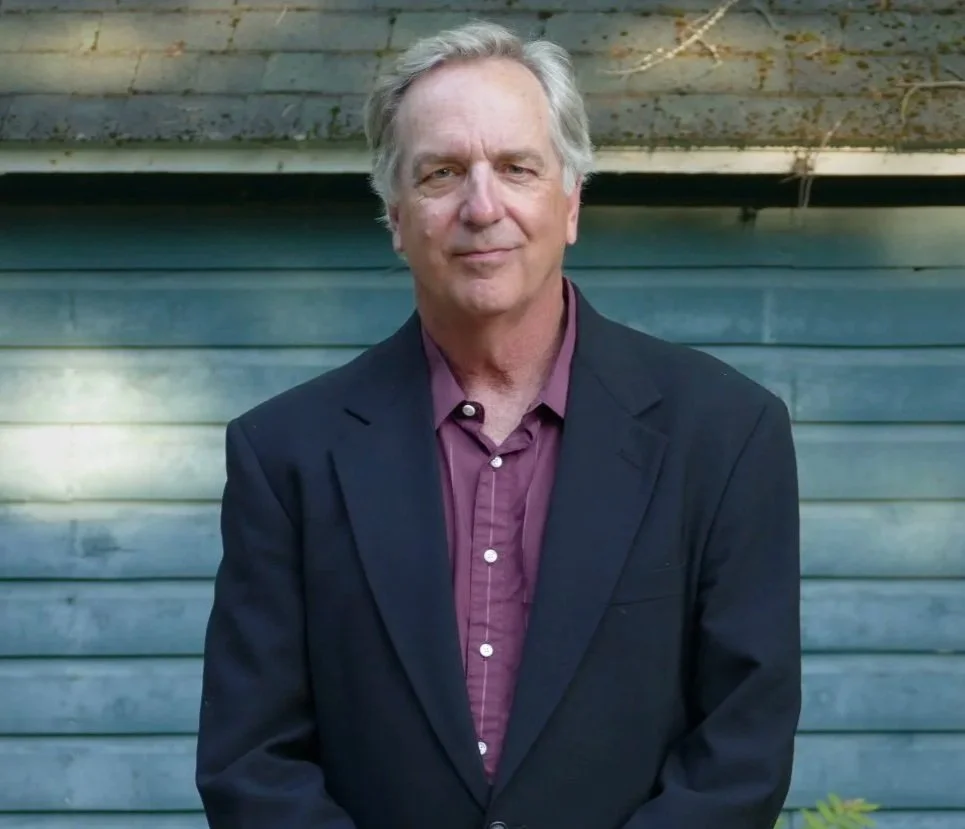
Connect with Matt here:
About Our Guest:
Matt Perry has spent a lifetime learning and writing about communication, collaboration and “The Other”. An award-winning filmmaker, healthcare journalist, and Somatic Coach, he’s spent his professional career observing the complex inner workings of people and organizations, then make unseen connections, uncover hidden truths and provide unique solutions. A colleague once told him “You’re a powerful truth-teller and catalyst for change.”
Transcript
Lisa Virtue [00:00:03]:
Hi, Matt. Thank you so much for being here to talk today about heart centered leadership and what we're doing at heartset Studio. I really appreciate your time. Thank you for coming.
Matt Perry [00:00:13]:
Thank you for inviting me. I really appreciate it.
Lisa Virtue [00:00:16]:
Why don't we start with you telling the audience a little bit about your background.
Matt Perry [00:00:20]:
Okay, I will do that. But before we do that, I want to ask you a question. Ooh, what's the thing these days that you're most grateful for?
Lisa Virtue [00:00:32]:
Oh my gosh, look how timely. See, the universe always gives us what we need. Don't. I was actually preparing. I'm in a grad study program right now for organization development and we always do a. A call out. And I was about to this afternoon talk to my class about how grateful I am for them in this class and this learning journey. And so it's so funny because it's been on my heart and mind over the last 24 hours and we did not prepare this.
Lisa Virtue [00:00:56]:
You just came out with that question, so I love it.
Matt Perry [00:00:59]:
That's right. Spontaneous. Well, that sounds awesome that you're grateful for that. I was kind of hoping that you were going to say, well, I get to interview you today, Matt. That's something that I'm actually most grateful for.
Lisa Virtue [00:01:11]:
I'm absolutely grateful to.
Matt Perry [00:01:14]:
Was that number two on your list?
Lisa Virtue [00:01:16]:
Yeah. The only reason the other one popped into my head is because I would been doing that mental work thinking about that today, about this gratitude note. I'm going to give my class later. But yes, absolutely. I am so happy that you're here and I'm grateful that you asked that question too.
Matt Perry [00:01:34]:
Okay, perfect. All right, so I wanted to tell you something. We just started the interview a moment ago by me asking you that question from a leadership point of view. In the past two minutes, what happened between you and me? What. What are the things that you experience during when I asked you that question and then in the repartee between the two of us, what are the leadership principles that are. We're already. I was trying to put into place instead of talking about all this stuff. I'm really interested in seeing things at work.
Matt Perry [00:02:11]:
So when I asked you that question and then when we had that back and forth, what was going on between the two of us in a heart set kind of world?
Lisa Virtue [00:02:20]:
Well, you. You took it from the head to the heart. Right. To find out what was top of heart, I would. I won't say top of mind. Kind of what? I've worked with a mentor who has written a book called what's going well, and worked with some teams around this concept of leading meetings with that question and talking about gratitude for sure, but not contrived. It's more like, hey, we can always think at work, especially what's going wrong and where we need to solve problems. But when we shift that mindset, and I say heart set into let's ground ourselves in what's going well and start from there, it can definitely bring it into such a more heart centered place.
Lisa Virtue [00:03:03]:
Right. And emotionally giving versus solving
Matt Perry [00:03:12]:
that. That's it. And so the conversation changes the moment we move from the head to the heart. And so we did a few things instead of being a transactional thing, like, okay, we're gonna have an interview. And we've had this agreement to do this interview. I talk, then you talk. So I wanted to move it to a relational experience instead of a transactional one to a relational one.
Lisa Virtue [00:03:34]:
Love it.
Matt Perry [00:03:36]:
One of the number one things about leadership, so much of our life in the world, it's kind of like, have you ever met somebody, like maybe a stranger, and within 30 seconds they pull out their business card and then they give you their business card. Oh, did I tell you that I sell, you know, essential oils on the side and they give you. And you're like, I just met you. And you've immediately turned it into transaction. So for leaders to be aware of how much of their communication during the day is transactional rather than relational, that's number one. So we connected first. We connected. Right.
Matt Perry [00:04:08]:
Relationally. Two, we talked about kindness. We talked about kindness, like in a very straightforward way. And the third thing, or fourth thing, depending on how you're counting, one that I think is wildly undervalued in life is a sense of humor. That's why I intentionally said, wasn't I on your list of gratitude? Because if you're, you know, especially in areas of conflict, when we struggle, it can be in friendship, in a romance, or at work. If you can add humor. Humor just comes in and immediately kind of just busts up the blockages. You know, you get somebody to laugh and suddenly there's a new opening where there wasn't one before.
Matt Perry [00:04:56]:
And so in those, just those two minutes, and yes, I did prepare all of this. We related, we talked, we were kind with one another, we connected and we had a laugh.
Lisa Virtue [00:05:07]:
Love it.
Matt Perry [00:05:07]:
So we're good. Okay. It was really nice talking to you. We just saved ourselves like 40 minutes. This is awesome.
Lisa Virtue [00:05:16]:
I love where you're going with this, Matt, so much. And I also do want people to know what, how did you become this amazing person that can quickly think on your feet like that. Like, where did you have your start in your career and what has led you to this place where you're heart centered now?
Matt Perry [00:05:34]:
Oh, that's such a great question. And actually you asked a really good question because I was going to start kind of with my healthcare writing, but actually before that I have been in, I've been in entertainment. So I went to film school at nyu. Basically a storyteller, either as a filmmaker, maker or as a journalist. Like stories fascinate me, people fascinate me, people's stories fascinate me. I've always studied psychology and also health and alternative health. I'm just like, how do things work? Right? How do things work? And when I looked at the world, I was like, wow, there's these super serious things over here, there's these super funny things over here. I'd really like to explore all of those.
Matt Perry [00:06:19]:
But the thing that I'm most excited about is how, how things work, how humans work, and also how what's happening down below the surface. And we're going to be talking a lot about that today from a kind of job point of view. For a decade I wrote about health care for the California Health Report, specializing in aging, so storytelling, which is really important. Then I got tired of writing about other people's stories and their health journeys and systems and companies. And I decided I want to be part of this. I want to be an active part. So I studied for and became a somatic coach. The somatic being the body, but in a much wider sense, the body.
Matt Perry [00:07:08]:
The Greek soma. The body. Our thoughts, our friendships, our education, our physical activities, everything in our life goes into our soma. In the west we call the soma. It's the biomechanical body. The true soma is much bigger than that. And then after I started doing that, literally the first year of the pandemic, and then I've done that since then, but I am transitioning right now to a new consulting business called the Other Consulting. Because I was honestly, I was kind of bored just doing one on one work.
Matt Perry [00:07:43]:
I, I wanted to work with systems and organizations and the other consulting, meaning how do I connect with that person across a computer screen, across the political aisle, the racial divide, the gender gap up or down the org chart, your friend who's, you know, who's wearing a red MAGA hat and your friend over here who's going to the yoga class, I'm just interested in. So that's what the Other Consulting is about how do we make those deeper connections within organizations between people.
Lisa Virtue [00:08:17]:
Love it. So you're taking the ecosystem of the individual, and you're looking at scaling your work into the ecosystem of how individuals are connecting.
Matt Perry [00:08:28]:
Now it sounds like, well, individuals make up those. Those larger systems. There's individuals that are behind that, that whole system. I don't care how much AI you got out there, y', all, 100%. It's all going to come back to the people. And so if we lose track of that, then we are in big, big trouble.
Lisa Virtue [00:08:51]:
Yeah, 100% agree. I'm seeing the organizations that are successful are the ones that remember that AI is to support the human, not to replace or do instead. Yeah, okay.
Matt Perry [00:09:02]:
What a concept that. You're really pushing the envelope, Lisa.
Lisa Virtue [00:09:07]:
You know, it's funny because we hear this from bigwigs and AI that they're saying the same thing, but how it's playing out in organizations is so different, and people's personal experience is not aligned with what the words are being said. So. Yeah, fascinating. Okay, so working in the systems within, we've talked about a little bit, too, on the healthcare side. Do you want to talk a little bit more about what that looks like for the work that you do in the healthcare field?
Matt Perry [00:09:37]:
Sure, sure, I can talk about that. In fact, it was. It was quite fascinating. I mean, anybody that has had interaction with the health care system is just boggled by the bureaucracy. The challenges of finding good health, finding people who listen, actually listen to them. I spend a lot of time finding my clinicians and my specialists. It's like, I don't let somebody just say, here's. This is the person.
Matt Perry [00:10:08]:
No, like, no, no, no, no. I'll be. I'll be choosing my. My provider. Thank you very much for the suggestion. But the system itself, I mean, I'll. I'll tell. So I'll.
Matt Perry [00:10:18]:
I'll give you an example of something in the healthcare world. A friend of mine, Gail, had a cardiac event, and she went to rehab at a facility. And I noticed that all the care caregivers there, they looked incredibly sad, and they looked like they were undervalued, and they looked like they just kind of hated their lives. And it's like I could see them coming in, and here's my friend, and she desperately needs help. I mean, she. She is at their mercy. And so I said, you know what? I got to change this paradigm. I've worked in the.
Matt Perry [00:10:55]:
Covering health care. I know that people in those positions are underpaid, overworked, especially since the pandemic. And so there's a woman that came in, and I looked at her and I said, ma', am, I just wanted to thank you for taking care of my friend Gail. And the one thing. There's one other thing I wanted to tell you. She has a lot of caregivers who come in here, but she said, you're her favorite one. And she was. She kind of perked up a little bit.
Matt Perry [00:11:24]:
And then I went to see my friend Gail a couple days later. She said, matt, I gotta tell you something. Sandra, or whoever, whatever her name was, she says, ever since that you said that to her, she has just gone overboard to make sure I'm comfortable and cared for. And I said to her, I said, I know that I kind of made up that story, but the thing was, I did appreciate what she did. That part I absolutely appreciated. Did Gail say that she was her favorite? No, she. But what I wanted to tell her was that she was appreciated. And I'll tell you, in Today, we have a meaning crisis in this culture, and it filters through everything.
Matt Perry [00:12:08]:
People don't feel like they have meaning in their lives. So for me to tell this woman she was so important to caring for my dear friend, that just made the whole difference. Yeah, that's one story.
Lisa Virtue [00:12:24]:
I love that story. It's such a meaningful connection point. And I bet she became her favorite.
Matt Perry [00:12:30]:
I think she. This is why you're the interviewer. I didn't even think of that, but that's why. So I think you nailed it. That's beautiful. I love that.
Lisa Virtue [00:12:41]:
Yeah. You know, I feel such a connection to you, Matt, in that when I'm out and about and I see someone within customer service or helping people, and you see such a bright light in certain people. Right. Naming it and letting them know and giving them that feedback. I'm not looking for anything in return. Like, there's ancillary benefits sometimes. Sure. Like, your friend had even better care, I bet, because you helped with that meaningful connection.
Lisa Virtue [00:13:08]:
But just being able to say, like, people complain all the time. It's so easy to complain. It's so easy in a restaurant to send something back. Not everyone does that. But that feels easier than saying, hey, I see you. I recognize you. Human to human. This doesn't have to be just transactional.
Lisa Virtue [00:13:26]:
I want you to know how you're making me feel. Right. There's so much power in that. And, yeah, I'm also the type that I won't hold back. I'll let people know in the moment.
Matt Perry [00:13:37]:
It's so huge. There was a book in the 80s written by Art critic Robert Hughes called the Culture of Complaint. Guess what culture he was talking about is American culture. And so I know that whenever, if I have a bad experience and I might write to customer service, I might do that, I always make an extra effort to then reach out at another point. Email. Oh, this. This person was incredibly helpful to me. It can change.
Matt Perry [00:14:03]:
It can change everything. And if we just did that more frequently, really showed appreciation for the people who are surfing. It doesn't matter if they're being paid for it. They're still doing this service. And if we show them our appreciation, it's just, you know, the rising tide raises all boats, as they say.
Lisa Virtue [00:14:20]:
Yeah, absolutely. So with that said, what are you seeing as far as pressure points and challenges for leaders today in your work and your connections? How are you seeing leaders right now in the workplace
Matt Perry [00:14:38]:
that they hate their jobs? A lot of leaders really feel overwhelmed. Overwhelmed. And it's just like there's too much going on. They struggle with. So here's the biggest challenge. A lot of leaders have been, you know, maybe at larger companies, they've gone to Wharton, they've gone to. They've gone their mba. I spoke with a woman.
Matt Perry [00:15:06]:
Anytime I get a chance to talk to anybody about leadership, doesn't matter if it's somebody at the gas station, when I'm, you know, if I'm buying something at the convenience store, I will ask them what makes a good leader. Any opportunity I get. I met this woman, she was a leadership consultant from Minneapolis, of all places. And I asked her, what are you seeing the trends out there? And she said, blah, blah, blah. And I summarized. I said, so what you're telling me is that if you're going to be a leader today, you're better off with a psychology degree than an MBA? She said, Absolutely, 100%.
Lisa Virtue [00:15:40]:
So.
Matt Perry [00:15:42]:
But another buddy of mine who I met at my gym, of all places, who's a leadership coach, he. I said, what's the biggest challenge for leaders? And you know what he said? This one blew me away. He says, leaders can't lead. Leaders are not able to lead these days because most of the time, people don't want the rah rah thing. Yeah, let's get a bit up. Let's do it for the company. That's. That's not of interest to them, and they feel kind of confined.
Matt Perry [00:16:07]:
And there's. You've got all the different managers and things like that. These people, most of the people, they know what they're doing and Most of the time they kind of don't want to listen to what leaders are telling them because the old days of the I'm going to save the day on my white horse and save the company. Those days are pretty much over. Right. So what's happening is we're moving away from like the tactics and strategies and all that sort of stuff. We're moving to a more internal, relational world. That's instead of the focusing on the external things that are happening in the company.
Matt Perry [00:16:44]:
The internal, the relational and also the invisible, the nuances at companies. And there's so much about that to talk about, but it really starts with people. So that's the, that's the beginning of answering my question. You know, you've got these leaders who. The way I look at it is we're transitioning out from the white horse leader to instead a subtle symphony conductor, somebody who's leading all these parts of the organization, these talented people. And how do you optimize all those different players, these musicians, to create a harmonious sound?
Lisa Virtue [00:17:25]:
Oh, I'm all about that word harmony with every, every system. Right. People have their roles to play and they shouldn't be all the same. This is why diversity of thought and diversity of people and how you bring it together creates that harmony versus you can't have all baritones or all bass that will maybe work for one song.
Matt Perry [00:17:44]:
It's. It's so huge. And I think, you know, if we look at that as well, I. There's nothing really to add. You just said it so perfect.
Lisa Virtue [00:17:56]:
You also brought up the NBA versus the psychology degree. I'm right there with this contact of yours. And it's interesting because I was just having a conversation with someone in a biotech field about her being questioned about the master's degree she was going for. Because the old school way of thinking from the founders who are old school. Best way I'm going to describe it was, wait, aren't you getting your mba? And she's an hr. That mba working in spreadsheets and understanding finance is not where her strength lies. Right. It's with the people and helping people feel heard and making sure she's protecting the company.
Lisa Virtue [00:18:44]:
Sure. But also helping the human resources be optimized for that organization. So it is interesting that there's this need in what people working directly with humans feel they need and this disconnect from decision makers and people that are just disconnected from what's going on within the organization. A lot of times you've seen that as well.
Matt Perry [00:19:10]:
It's a transition that is happening slowly and is happening. There's a great quote about science and it says science or medicine or maybe both of them. It's one of my favorite quotes. It says science moves forward one, one death at a time. You have all these people who are holding on to these very old principles that are slowly becoming outdated and they just haven't kind of caught up yet to what the new, what the new program is. I don't know what else to say about that except you know, if people need to be convinced, a lot of times they're data driven and they need to see, oh, companies that focus more on human relations, they have higher employee retention, which we know that they do. They are more productive. I mean all these things that we're talking about creates happier employees who stay longer, who feel better about their job, who have better family life.
Matt Perry [00:20:13]:
I mean there's just no doubt that the things that we're talking about work.
Lisa Virtue [00:20:19]:
Yeah. And I'm seeing that the speed of innovation and adoption of technology is coming so dictatorial from the top down. And these leaders typically don't even manage their own calendars. Right. They're not the ones adopting it, but they're force feeding this. We have to do this fast. And so a lot of these principles that they were investing in previously that research like you just mentioned shows kind of out the window at the moment because it's this race, right. So we know that the pressure point of speed often contradicts in leaders minds, best practices.
Matt Perry [00:21:01]:
It's hard. I mean being a leader, especially with the shadow of AI being cast on everything. It's really, really hard. And acknowledging that, and acknowledging that frustration is certainly part, part of it. So yeah, I, I'll, I'll tell you one thing that I had a conversation with somebody who is, has been a leader for a very long time and I was asking her about these new approaches. You know, we called it the woo, right. As mindfulness and yoga and you know, deep listening and all these sort of things. And I said, you know, what sense? Because I've, I've studied with the conscious leadership group.
Matt Perry [00:21:44]:
And I said, and I've talked to other people about this too. And I said there's a lot of talk about conscious leadership, how much of it is actually being applied. And even since I started really researching leadership heavily, I don't know, six or seven years ago, what I've heard is that oh, people are talking about it but they're not adopting it. And I spoke with somebody just the other day on a scale of 1 to 10. Where do you think these are? Like, is this really being used? She says it used to be at a 1, and she says now it's getting up to a 7, 8 or 9. Realizing that this new world of leadership is coming fast and has to be adopted. The train is speeding down the tracks and you need to jump on.
Lisa Virtue [00:22:29]:
Love it. And I see a lot of tech founders and people with new businesses and new energy really trying to be conscientious about it. And then these legacy organizations that move a lot slower in certain aspects are picking things up, but not as company wide. Organization wide for sure. Yeah, I'm seeing that too. Love that scale. That's great.
Matt Perry [00:22:53]:
Yeah.
Lisa Virtue [00:22:54]:
Why don't you talk a little bit more about what your focus is now and where you're going with your systems wide thinking in healthcare organizations?
Matt Perry [00:23:04]:
Sure. Well, one of the aspects that I'm dealing with in healthcare organizations and something that I this is actually a, a relatively new in illumination is that here you are working in a world of the human body. And if we think about the human body and the cells forming tissues, the tissues forming organs and how the organs interact with one another and this whole system that is working together in harmony. There's that word again. And when I realized that approaching healthcare organizations to understand that their organization is also an interactive system, that they have all these different parts that need to work and harmonize together. So that's in particular how I'm talking to healthcare organizations, that your organization is an organic whole, it's a holistic system and it works just like the human body. It has an immune system, it has energy that needs to be managed. We'll talk about energy in a second.
Matt Perry [00:24:19]:
And so figuring out how to optimize that, that organism is really where you need to go, but really starts at the cellular level. I mean, even now we're going to get kind of woo studying a. There's a Tibetan lineage holder named Tolku Thond up and he's talked about, you know, health. He says you can actually visualize all of your cells being of optimal health. And so I know that sounds super woo, but I definitely believe in visualizations. I have used it successfully for, for myself. And so it's, you know, it comes back to systems thinking. And if you're talking about systems, what better system to discuss that everybody has common ground with as the human body?
Lisa Virtue [00:25:14]:
Yeah. So applying systems thinking for change, developing the organization which happens to be in healthcare and speaking their language. Right. These are healthcare providers, people that understand the science of the body. So taking that and going, okay, let's apply all of the things you already know, know and take a beat and pause and think about your system in that same way.
Matt Perry [00:25:37]:
And that's applied to when we talk about the cells. That means when a clinician comes in, my friend Gail, go back to her for a second. I've gone to appointments with her. She had one cardiologist came in like the worst, by far the worst interaction I had ever seen between a clinician and patient was with him and her. She would start to say something and he would finish her sentences for her. And literally that happened during the entire 20 minutes. And so that's one of the cells of that entire system. I, as I say all the time, every interaction that you have in the healthcare world is part of the healing process.
Matt Perry [00:26:18]:
The person in the building office, are they kind, do they understand that you have, are challenged financially? Can they guide you to the right place? The nurse that comes in and takes your vi vitals, is she kind or she curt? My, my primary one day said, I asked her, I said, who is that woman? That was work that took all my vitals. She's like, oh, she's just here for the day. Everybody's blood pressure is suddenly way higher because of the interaction with this. So every, you know, as I tell people all the time, every interaction that we have, it certainly in the healthcare system is a part of the healing process. Every single one.
Lisa Virtue [00:26:59]:
Yep. So important. So how do you work with those organizations to enact change? Is there certain methodologies, ways that you like? Obviously, if you're talking to leaders, that's one thing. How does it trickle down to that person taking the blood pressure?
Matt Perry [00:27:20]:
Well, it starts, you know, there's no change that's going to happen at an organization until you get buy in from the leaders. In fact, that's one of the things that Jim Detmer said at Conscious Leadership Group. He says if I don't have buy off from the leaders, there is no way I'm going to walk into organization and try to affect change. He says if they're not on board, there's just no way that it's going to move forward. So, so we've talked about people. Can I talk about the three other areas that I think are really important for leaders these days? Thank you so much. The other three areas that I think are super important. The first one I call big picture thinking.
Matt Perry [00:28:01]:
So we're so caught in the weeds most of the time and we're in tactics and strategy and this sort of thing. We need to step back. And the best attribute that any leader can have is a sense of awareness what going on around me. Like, oh, we keep having turnover here. What could possibly be happening here? Being opening, being open to listening and paying attention and learning from everyone around there. I guarantee you, you can learn as much about what's happening in your hospital system or your community healthcare system as you can talking to the receptionist or the janitor as you would anybody else, because they trust me, they hear everything. They hear about the people grumbling, you know, behind. Behind the scenes about that doctor who is a total jerk.
Matt Perry [00:28:58]:
And nobody wants to say anything because they don't want it to get back to the doctor and lose their job. So Renee Brown talks about this. The vulnerability expert. She talks about really being. She says, I'm always in the C suites, the corporate suites, and the things that she's learned where systems work. How is this, like, how is everything playing out here? What are the patterns that are going on and sensing the nuance? So that's a. A big part of it is there are things that we see and things that we don't see. There are things that are happening above the surface and they're happening below the surface.
Matt Perry [00:29:40]:
What I'm suggesting is that we get so much better at picking up the things that are happening below the surface. So that's one of them. Big picture thinking, really being aware of what's going on in the big picture. The second thing is, instead of managing strategies, think about managing energy, just like the human body. And when I talk about energy and I. The next word I use in energy is, I talk about invisible forces. Now that's when the eyes start to roll. You know, you talk to like, oh, invisible forces.
Matt Perry [00:30:18]:
You know, you talk to somebody in billing, and they're like invisible forces here. And let me. So let me ask you a question, Lisa. Do you believe in gravity?
Lisa Virtue [00:30:28]:
Yes.
Matt Perry [00:30:29]:
You believe in gravity? You do?
Lisa Virtue [00:30:31]:
I believe there's gravitational pull.
Matt Perry [00:30:34]:
Okay, can. So when have you seen gravity? When do you see it? When do you see the. Like, when do you see this thing? Here's a. Here's my little lavender thing.
Lisa Virtue [00:30:44]:
Anytime I fall into the ground over myself.
Matt Perry [00:30:50]:
You can't. But you can't see it. Like, you can see this bottle, though. But you believe in. But you believe in gravity because it's incredibly powerful. Invisible force. So you believe in that invisible force. Right? Okay, question number two for you, Lisa.
Matt Perry [00:31:04]:
This one is going to be maybe a little bit harder. Do you believe in electricity?
Lisa Virtue [00:31:10]:
I believe that when I turn my light switch and the electricity is plugged into my house. My lights will go on.
Matt Perry [00:31:17]:
You're really glad. Okay, so you believe in gravity and electricity, but you can't see either of those unless the electrical charge on your, you know, your laundry is clacking.
Lisa Virtue [00:31:28]:
Right?
Matt Perry [00:31:29]:
But you cannot, traditionally, you can't see these things. So the next question is, it's the same with people in organizations. There are invisible forces that are going on all the time. You know, so managing, so learning to, you know, even when you walk into a room, it's like, wow, there's low energy in here. You know, you can. You can pick up that energy. I mean, we. We know that that's happening.
Matt Perry [00:31:51]:
So if you just take that further, like, how do you make a meeting? You step into a meeting. And how do you start the meeting? By making it more fun. Just like you and I began. Today. There's a improvisational game called Zip Zap Zap. Zip Zap Zap is look it up. It's the best way to start any sort of meeting because it kicks up the energy, it connects people, and it brings them into the present. So they have totally forgotten about the reports that are due and all this sort of stuff.
Matt Perry [00:32:19]:
And it's just a great way of managing energy. And if, even if you look at a company like the shoe company Zappos in Las Vegas, you know, they are masters at mastering energy, that other meetings are super fun. I believe this is still the case. It was when I researched them. They. They allow employees to decorate. You can decorate your area, your work area, any way that you want. And one of the biggest things is they give their sales absolute latitude to keep the customer happy.
Matt Perry [00:32:52]:
So if they decide, you know what, I'm going to give this person, this customer, a free pair of shoes, they don't have to ask their supervisors. They know that they have the okay to do whatever is needed to keep their customer happy. And that's. That's a huge benefit. The last one of the four things that I'm going to talk about, the first three were people, big picture thinking and managing energy is become the master of your world. Now, that may seem kind of weird based on the other things that I've talked about, but here's. Here's what I'm talking about. When we wake up in the morning or, you know, sometimes we wake up with a sense of dread, like, oh, my God, I've got this meeting and that meeting, and you know that I've got to drive.
Matt Perry [00:33:41]:
And then, you know, you know, this sort of thing. If I'm going to drive from here back to Bellingham, Washington. I live in North Asheville, North Carolina. If I'm going to drive here back to Bellingham, Washington, I need a GPS or I need. In the old days, you know, you'd literally have maps. I need to know where I'm going. And the biggest problem that most people, leaders included, they don't completely understand that you actually have an incredible amount of control over how your day unfolds. But it starts when you wake up and you know, how do you.
Matt Perry [00:34:25]:
What are the principles that you live by? Lisa, I'm asking you all these tough questions.
Lisa Virtue [00:34:31]:
Yeah, you do.
Matt Perry [00:34:32]:
When was. How many, how many conversations did you have in January about the word dignity?
Lisa Virtue [00:34:39]:
Oh, dignity. I don't know if that ever came up.
Matt Perry [00:34:43]:
How about respecting? How about respect and honor? Have you talked how many conversations about respect and honor?
Lisa Virtue [00:34:49]:
Respect for sure. The word honor, Ooh, I don't know if that came up much respect. In our, in our household, we have three family rules, okay. Respect, self respect, others and respect things. And so we talk about that a lot with my 10 year old.
Matt Perry [00:35:07]:
So that's a great, those are great rules. That's awesome. Now you can watch the movie 300. And when King Leonidas is teaching his son at the beginning, when the Persian soldier comes in and says they're going to destroy Sparta, he's teaching his son and he looks at his son and he says, remember, remember today's lesson, respect and honor. So now if we, you know, Jim Detmer at Conscious Leadership Group said we know what our values are. We know what we're committed to based on our results. Results in our life. So you're teaching your 10 year old to live with, to live according to respect and honor.
Matt Perry [00:35:46]:
How do you start your day? You start your day and you pick up your phone and you doom scroll in it. You see who's texting you and you check on this latest business, this thing. It starts with that we're the sum total of our rituals. And now I'll just mention briefly that starting off the day, there's actually two kind of really interesting different approaches to starting your day. Because the Flow Research Collective talks about doing something different, but most people will start off with a morning ritual. What are your values? The four things that, that I do for three minutes each morning is loved. I start off three minutes. Love, joy, gratitude and bliss.
Matt Perry [00:36:29]:
I say I'm gonna live my day with love, joy, gratitude and bliss. And I do that for three minutes and then I send love out to three people. My two Kids are often two of the three people. But not, not this morning. Guess who was included in my three people this morning? Lisa Virtue. It might have been you, because I was like, I'm going to be hanging out with Lisa. I'm going to say, send my love to her today. You were one of my three.
Matt Perry [00:36:54]:
And then I moved. So this is a big one. This is huge. And it's so fascinating. I there's a creative artist who's been the producer of tons and tons and tons of musicians named Rick Rubin, and he was talking about awe yesterday. Awe and wonder. And so, so I say, I'm going to live my day with awe and wonder. Three minutes of that.
Matt Perry [00:37:17]:
I'm going to invite in awe and wonder during my day today. And then the last of the four that I do for three minutes is I'm going to have a moment of awe that is going to blow my socks off today. Something really special and unique is going to happen to me today. And when I do these things, my day goes so much better. And I'll tell you something that's really fascinating is always when I say I'm going to have one really offilled moment, it always happens. And Rick Rubin talks about the same thing. He says, so if you like, how do you want your company to unfold? What vision do you have for your company? How are you going to travel from point A to B? Well, I want my people to treat one another with kindness and respect. I want us to have dignified meetings.
Matt Perry [00:38:06]:
I still want people to be honest with one another. So starting off your day, whatever your morning ritual is, like, if you are going to create something at that company, the intangibles like what I just talked about are equal, as important, equally, if not more important than the tactics. Because what happens is it starts to spread to everybody else. Those principles that can then be folded into everything that you can do. It could be part of your vision statement. And I'll mention like in 15 seconds. The second way of starting your day, according to the Flow Research Collective, is that the moment you wake up, you're in this incredibly liminal space between sleeping and awake. And they say the very first thing, the first hour of the morning, it can be saved for creative activity.
Matt Perry [00:38:54]:
So say you are, have been working on, I have no problem, no problem whatsoever. Say do business the moment that you wake up, because it's often the most creative part of your day because you're not thinking about all the problem and you wake up and like, wow, that initiative or that, that blog post I was writing I've been stuck on. It's like you start that day and you're just like, oh, wow, this is like a knife through hot knife through butter. So anyway, the more the mornings are incredibly, incredibly helpful and you want to start creating your day with all of those that approach.
Lisa Virtue [00:39:30]:
Great recommendation. Thank you for sharing. I love everything you said. I want to react to a couple things. One is the. The research on creativity, which I geek out about. I love it talks about sleep and how important that is right for the right side and left side of the brain to work together, the subconscious to put the piece puzzle pieces together. That makes so much sense.
Lisa Virtue [00:39:52]:
I've never thought of it that way. What a great way to think about it. Why? I typically feel very energized in the morning too. Right. Because you're so much more clear. You don't have a lot of baggage. You're adding to that puzzle that your brain's trying to work out. So love that.
Lisa Virtue [00:40:10]:
The awe. I've also been in awe of some of the research coming out about that and how taking those moments to really appreciate awe in the world, especially the natural world. I took my daughter to her first sound bath this past weekend and it was awesome. The second full moon of the year, which was really interesting starting off February. And she had a lot of fun. It was really fun watching her kind of experience and be in awe of like all these adults around her just laying and enjoying the sound bath. And afterwards, because we had clear skies that night, we were able to see the full moon rising through some small clouds and just that moment of awe too. And pointing that out to her and watching her experience it, but also myself have just that appreciation of the natural wonders around us.
Lisa Virtue [00:41:02]:
It really does help change our perspective, doesn't it?
Matt Perry [00:41:06]:
Are you the cool mom? Ask your daughter one day. Say, sweetie, are you? Are you?
Lisa Virtue [00:41:11]:
Ask her someday.
Matt Perry [00:41:13]:
Am I the cool mom? Among your friends, am I the cool mom?
Lisa Virtue [00:41:16]:
Well, I'm sure. I appreciate that. I'm sure there's a lot of argument to be made both ways.
Matt Perry [00:41:21]:
Oh, if you took her to a sound bath, you I think went off of the list.
Lisa Virtue [00:41:26]:
Yeah, she's a pretty special girl. It's really easy to make her life full of awe.
Matt Perry [00:41:31]:
Hey, the fruit doesn't fall far from the tree.
Lisa Virtue [00:41:34]:
Very sweet, Matt. Well, as we wrap up our conversation, which I hate to do, but I always am the one that has to do that. What other shares would you like to provide our audience? Anything that you want to mention that we haven't talked About.
Matt Perry [00:41:49]:
Yeah. Well, one of the questions that you asked me as we were heading to this is what can. Like, I'm a leader and I'm struggling and what's the, like, all the stuff that you're telling me, it's too much. I can't deal with it. It's like you're kind of weird. It's all this woo woo stuff. It's like, what's one thing that I could do this week to make things different? And here's I throw out a little challenge. Spend one week and every minute of your week is focused on the people that you work with.
Matt Perry [00:42:21]:
There's only one thing that you need to manage instead of worrying, just spend one week. One week. Instead of focusing on tactics and micromanaging and all this sort of stuff, just focus on the people. You walk in front of some into somebody and you're just like, hey, I heard your son was sick. Is, you know, is everything better at home or, you know, what's just a compliment about their work? Wow. Hey, I just, I read that, you know, Joe told me. I haven't read the entire report, but what I saw was really great. Joe said you did a great job on that initiative.
Matt Perry [00:42:53]:
And then. Or just even going to somebody who like you hardly ever talk to and just saying a simple hello, you know, think about the intangibles, about the space between the notes and oh, there's two. So here's part two. Here's part two of the one week challenge. Now this one, I'm sure I would be so interested to hear how people react to this. Start learning partner dancing salsa. Take a west coast or east coast swing class. Ballroom dance.
Matt Perry [00:43:25]:
The ball. The partner dancing of your choice. There is no activity that will teach you more about how to interact with other people in partner dancing. Because one of the things that you will find, especially when you're taking a lesson and being. And you like have a new partner every few minutes, is that everybody's different, everybody responds differently. You are so aligned with one person, you have a. It just feels so good. The next person.
Matt Perry [00:43:52]:
It's like I feel like I'm dancing with concrete here or something like that. Even if you are terrible at dancing, you have two left feet. Even more reason to do that.
Lisa Virtue [00:44:04]:
Nothing more of a connection. Right. When you're stuck with someone, it can
Matt Perry [00:44:09]:
be terrible, but that can be just as educational as, I mean, but that's, that's, you know, that's the life lesson there.
Lisa Virtue [00:44:15]:
Yeah. I took ballroom dancing in college and also did a lot of swing Dancing back then with my friend group and so much I love it. So much fun. I know it's not for everyone but I do agree with you. The lessons you can learn and even some of the little quotes that you get from the teachers too. Right. About if you think of it as the lens of that human connection. If you're trying to figure out how can I make that more organic in my day to day and life.
Lisa Virtue [00:44:40]:
I totally hear you. Like in those situations you can take a lot and apply it into life later.
Matt Perry [00:44:48]:
Huge learning. Huge learning lesson.
Lisa Virtue [00:44:51]:
Yeah. Oh, I love it. Awesome. All right, Matt, how can people get a hold of you?
Matt Perry [00:44:57]:
Let's see. We can. They can contact me and either through call. My email address is Matt Perry Health Matt M A T T Perry P E R R Y the word health at Gmail and they are free to give me a call. 916-320-0613.
Lisa Virtue [00:45:20]:
Love it. Now everyone has your phone number.
Matt Perry [00:45:23]:
I'm fine with that.
Lisa Virtue [00:45:24]:
It's beautiful. I hope people take advantage and give you a call and have a conversation. You have so much wealth of insights and experience and all these stories that you've heard from others. Like it really shines and shows the themes you're coming together with your work. So thank you so much for sharing.
Matt Perry [00:45:41]:
Thank you. Can I make a quick offering for anybody that wants to reach out to me? So I one of my signature offering for leaders is called Symphony and it's exactly what I was talking about at the very beginning. How so I wanted to give a free hour to people that are interested in learning more about this and sharing how they can become a symphony conductor for their organization. Also, what do they need to do as the conductor and what do they need to. How do they react? How do they work? Harmonize the disparate parts of their orchestra? How do you become a tuning fork? Right. How do you find out what's going on out there? What's really happening? So. And the last thing I'll say it's this is David Brooks from his highly recommended book called how to Know a Person. The Art of Seeing Others Deeply and Being Deeply Seen.
Matt Perry [00:46:41]:
How do you become an illuminator? He says there's two kind of people. There's illuminators and diminishers. Be an illuminator.
Lisa Virtue [00:46:52]:
I love that. Elevate others. Yes, absolutely. Thank you so much, Matt. Really appreciate your time.
Matt Perry [00:46:59]:
Thank you. Lisa, you're the most virtuous person I have met in my life. I just wanted to let you know it was a pleasure talking pleasure for me as well, okay?