
HEARTset Leadership Podcast
Season 2
Ep 24: Key Lessons on Collaboration from Disney Leaders
Tricia Cerrone & Edward van Lunien
Listen on any preferred podcast platform:
Episode Summary
Are you ready to transform the way your team collaborates and unlock the secret to happier, more productive workplaces?
In this episode of the HEARTset Studio Leadership Podcast, host Lisa Virtue sits down with leadership and collaboration experts Tricia and Edward—former creative leaders at Walt Disney Imagineering and co-creators of the Authentic Collaboration method—to reveal the five essential behaviors that make authentic teamwork not just possible, but powerful.
Whether you’re a founder, executive, or people manager, this episode answers common leadership questions:
How do you cultivate strong collaboration in high-performing teams?
What are the practical steps to break down workplace silos and encourage innovation?
Why do some teams naturally “click” while others struggle with trust and accountability?
How can you reward, incentivize, and sustain genuine partnership among diverse individuals?
What to Expect:
Tricia and Edward share captivating stories from their time at Disney, describing how their contrasting leadership styles—one rooted in business innovation, the other in talent development—came together to create immediate positive energy, trust, and results. Listeners will gain insight into why collaboration is a set of repeatable, learnable behaviors, not just a buzzword.
Key takeaways and framework highlights include:
The 5 Core Behaviors of Authentic Collaboration: Generosity, Resourcefulness, Co-Creation, Action, and Gratitude
Actionable tips for building cross-functional relationships (including the "Rule of Three" for expanding your network)
Real-world examples of breaking down competitive barriers and incentivizing true teamwork—even in prestigious, highly creative environments like Disney Imagineering
Neuroscience-backed strategies for balancing feedback, boosting morale, and preventing burnout
How simple gestures of appreciation (from specific thank yous to small tokens or walk-and-talks) can supercharge team confidence and resilience
This episode goes beyond theory, offering leaders at any level a roadmap for fostering stronger teams and delivering big results—without sacrificing well-being. Tricia and Edward provide compelling evidence that authentic collaboration can work in any industry, and share their excitement for their forthcoming book, “Collaborate to Compete: A Roadmap to Stronger Leaders, Happier Teams, and Big Results.”
Perfect for leaders searching for podcasts on:
Building collaborative teams
Leadership development and team dynamics
Positive organizational culture and engagement
Strategies for innovation and cross-team connection
Effective recognition and employee motivation
Ready to crush your goals and uplift your culture? Tune in for the real stories, proven frameworks, and actionable tools to help your team thrive. Don’t miss this essential listening for any leader committed to making collaboration their greatest competitive advantage.
Unlock real collaboration—because when you lead from the heart, your whole team wins.
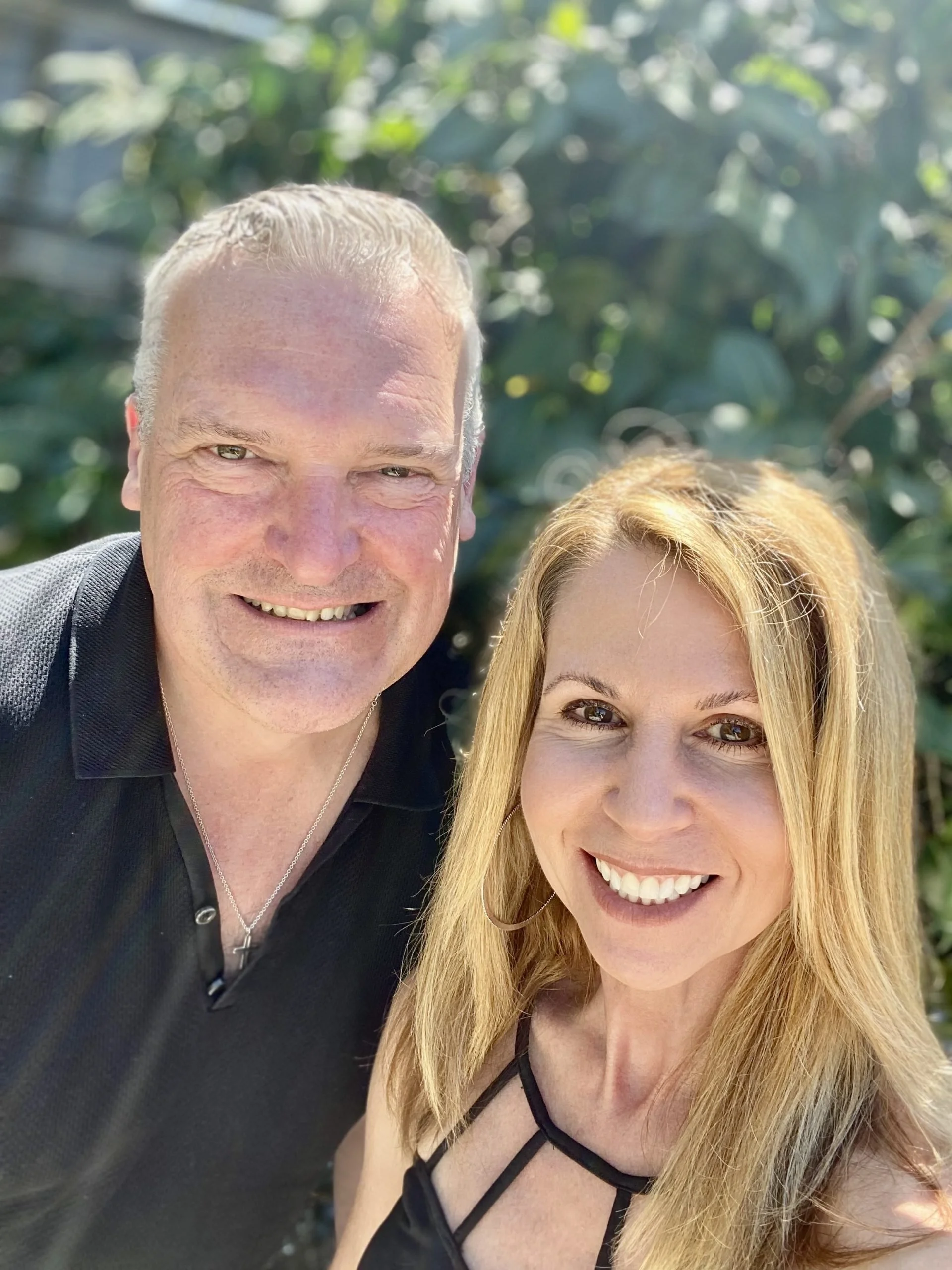
Connect with Tricia & Edward here:
https://authentic-collaboration.com/
About
Tricia Cerrone
Tricia is a former Walt Disney Imagineering creative executive, award-winning author, professor, and leadership coach.
Edward van Luinen, Ed.D.
Edward is the founder of Global Talent Builders, a board advisor, and a former human resource leader at Fortune 500 companies.
Transcript
Lisa Virtue [00:00:00]:
This is the Heartset Leadership Podcast. We're here on the beat of modern leadership to help you crush your goals without crushing your soul or your teams. Welcome, welcome. Thank you so much, Tricia and Edward, for coming. I'm so thrilled to talk to you. I've talked to you a little bit at this point, but we've been trying to hold back some of the stories so that I can also have some surprises and have some fun with storytelling today. So, obviously, you're background with Disney is so appealing to everyone because it's such an iconic brand here in the United States especially, but even globally. So let's start with Tricia.
Lisa Virtue [00:00:40]:
Why don't you go first? We're just going to talk a little bit about how you came to do this work that you're doing now with Edward.
Tricia [00:00:47]:
Well, I'll make it a short story. I was at Walt Disney Imagineering, which is the design wing of the theme park group at Imagineering. And doing a lot of more of the innovation and interactive design, working my way up in the company. And I led our Blue Sky Studio for 4 years and got to lead our Walt Disney World portfolio and do all these things. But one of the things I was somewhat good at was training and teaching others how to innovate and how to develop projects. So I was naturally tapped to partner with their new leadership executive or leader coming in to train other leaders. And that happened to be Edward. And I will tell you, at the time, we can talk about our story a little bit, I was maybe less eager to be instructed to partner, um, because collaborating is more difficult than people realize in terms of how do you have a person who's accountable? What happens if something goes wrong? Whose bonus gets dinged? Which leader do you tell first? Because we both reported to different leaders.
Tricia [00:01:48]:
After we met, we built this team, and we noticed that the energy on that team was just very different than many other projects, and it was almost immediate. It wasn't like after they'd been through hell together, which happens, which is a good thing to bond after that, for sure. But if you can bond at the beginning, how great is that? And we sort of noticed like, wow, they smile a lot. In fact, I'm smiling a lot. In fact, I feel good after our meetings. I don't feel stressed. I have teams who are coming with solutions. And so, we realized there was something special and we started to break down what that was and why the collaboration on that team was really unique.
Tricia [00:02:21]:
So, we can talk more about that. After Edward and I left Disney, we started kind of outlining what that looked like and writing a book together on it. So I'll hand it off to Edward.
Edward [00:02:31]:
Well, just your talking about it, Tricia, makes me smile all over. Such an incredible, collaborative, special time. I began my career in the United States Peace Corps, and I was an English teacher sent to Guinea, West Africa, to teach high school English at 2 high schools. And the first time I stood in front of a classroom, I had 2 overriding emotions. One was fear. Edward, you're talking, these kids are listening. Are you making any sense as a new teacher? And if not, you better start immediately. And then after about 2, 3 months, I thought, I kind of like this.
Edward [00:03:05]:
I'm enjoying this. Fast forward to Disney and beyond, where I met Tricia and we collaborated. I'm still doing what I love, which is helping companies, teams, and leaders be better. And I think that is the unique formula that Tricia and I immediately recognized in each other and was one of the bedrock elements of our collaboration. I think many of us can identify and/or relate in our careers of working with leaders who it was all about them. And Tricia and I did not have that. We cared deeply about Disney and Imagineering, especially in her role as Blue Sky leader, and me in talent development. We had to care about the company and teams first and then ourselves.
Edward [00:03:49]:
And I think that was a unique characteristic of our initial collaboration that added to many other behaviors that we had together to be successful.
Lisa Virtue [00:03:58]:
I feel like anyone listening, including myself, can really sink into that feeling of, oh, remember that team we were on where you, it just clicked and it felt so good. I'm imagining that myself as you both speaking, and I love that you found each other. And as adults, it's so hard to even name that sometimes in the workplace, right? To say, hey, this feels really good. I want to be your friend. Do you want to be my friend? Can we keep collaborating? It's one of those things like as kids, my 10-year-old daughter, hey, do you want to be friends? And sometimes people say no, and most often they say, Yeah, let's go play together. But when we get older, it's so hard. And I think in the workplace, sometimes it's hard to even just name that. Like, wow, this is going really well.
Lisa Virtue [00:04:38]:
Am I the only one feeling that? How are we doing? So how did that sound when somebody named it and then you ended up collaborating away from Disney? How did that happen?
Tricia [00:04:48]:
I like that you said name it because collaboration is this word that no one really understands what it means. And what we came to see was that it's a combination of behaviors. And I noticed those behaviors really in that first meeting after Edward and I were assigned to work together. We basically walked in, sat on the sofa, and our leader, like, you know, thought he was solving world peace by kind of forcing us to collaborate. And so, I was less excited than Edward, but he was new, so he's like, I need someone like her. But the thing that he did right afterwards was invite me to a coffee. And I think he did all the behaviors in that coffee that we ended up trying to dissect later on. And the reason we focus on behaviors is because, you know, like you said, name it, there's something that creates that energy, that creates that vibe, or like, I want to work with you.
Tricia [00:05:40]:
And I didn't know anything about him really, a few things only, but in that one meeting, he did something generous. He asked me how I like to communicate, you know, text or this. He pulled out a piece of paper and pen and was resourceful, right? And he said, here's how we can outline it. And then we co-created. He's like, what do you wanna work on? What do you want me to support? What do you think I should work? You know, this is what I can do and you can support. And he set up a meeting and took action. And when we met back the following week, we had both done the things that we said we would act on. And I don't know, we were too new to high-five each other after that first day, but I know I said thank you, cuz I was like, so kind of ref— it was so refreshing that someone was doing those things.
Tricia [00:06:18]:
So. I was hesitant a little, but by the end of that first week, I had a growing confidence that you don't normally have. And so, you know, when we think about your framework and how you wanna help your listeners in the Heartset Framework, we really think about the relate because when you relate, you help to elevate. And relate to us is this moment right here. We can't control success or empowerment or anything else until we do something well in this moment. So that's how we broke down collaboration then into these 5 behaviors.
Edward [00:06:52]:
That first meeting was amazing, and I feel that we both did things right. And I feel that as a talent leader in any organization, but particularly in Disney, I was always looking for business leaders who understood talent, or I had to make sure I worked to develop those business leaders to be talent leaders. I was gifted with Tricia, who was already both. And I had seen some inklings of that and heard some things, but I just got the best gift collaborating early with Tricia because she was a business leader who got talent instead of me having to coach over several years and work in performance management systems that we've all been in to get those leaders to be talent leaders in addition to technical experts. But that already happened with Tricia. So that was an additional, I would say, foundational element to our collaboration. Collaboration is, as as we've talked about already, a group of people working toward a common goal with all hands on deck all the time. Now, Tricia hinted at this earlier.
Edward [00:07:55]:
When you collaborate, you never know how it's going to go. Usually one person's accountable, responsible, their bonus gets dinged, they get the accolades or not. However, as we have been on teams before, everyone's always jockeying for the power role. Who gets the accolades? Who gets to speak to senior leadership? And Tricia and I decided early on, we will always co-present. to the senior leadership team at Imagineering. And that raised eyebrows. People loved it and said, you guys are so natural at co-leading when it's not obvious. And the part of collaboration definition where it's all hands on deck means that sometimes I'm doing the administrative work and Tricia is doing the strategic work.
Edward [00:08:36]:
But I'm not complaining because I know it's in service to our collaborative project. And that was a true role model effort, if I may say so, for our team, whereas title did not trump menial work. ever on the project. And I think that's where a lot of jockeying and positioning happens on teams early on. And I see, Lisa, you're kind of shaking your head.
Lisa Virtue [00:08:56]:
Yeah. Oh, you're making me think of so much with group dynamics and how everyone wants clarity of roles and clarity of tasks and assignments. And sometimes that clarity just means we're going to be clear that we are going to be all hands on deck and coming to that, the collaborative conversation, which again, collaborating doesn't mean we're just going to silo ourselves and then come together. That's not a true collaboration, right? So, I really like how you said that with all hands on deck, and then you illustrated it with examples of there's going to be times that different titles are going to do different kinds of work, but as long as we're communicating and we all understand that, brilliant.
Tricia [00:09:31]:
Yeah, I think sometimes I would hear often human resource leaders would be like, this is your role, this is what you're responsible for, stay in your swim lane. And there's value to that, but it comes from this sort of place sometimes of I'm afraid that I will get in trouble if someone else doesn't do their job correctly. You know, it's like that type of thing. It's almost from a scarcity or a fear. And so, um, I think when you are on a team where, you know, everyone is going to be dinged if you don't succeed, it creates a different mindset. And sometimes we would do that too. If they made a mistake, we would, everyone kind of like, you're all responsible because you all knew and no one said anything. You know, they learn really quickly that way.
Tricia [00:10:14]:
And, and then they are, they realize it too. Yes.
Lisa Virtue [00:10:17]:
So you learned early how to reinforce. Positive and I almost say negative for lack of another better word, but behavior, how to reward behavior in both of those ways. This is such a poignant point because leaders sometimes are like, why are my people not collaborating? Or founders of startups, I hear this a lot. Why are people not collaborating on the team? And then, you know, maybe a consultant or a coach comes in and says, well, how are you incentivizing them? If they're each individually bonused based on their own swim lane, Of course they're not going to be collaborating. And there's been studies of, okay, we changed it. 50% is your individual swim lane. 50% is the collaborative effort to get your bonus. Guess what? They're collaborating 50% of the time.
Lisa Virtue [00:11:00]:
It's like pretty easy metrics, but for some reason in the day-to-day, sometimes leaders and founders and CEOs don't realize that has such a trickle-down effect. Again, as a group and the leaders in a collaborative setting, being able to Name it, talk about it, have expectations aligned, and then the rewards and any kind of negative outcome across the board equally. Ooh, love that. That's so powerful.
Tricia [00:11:27]:
Yeah, and you really can't innovate or create your best stuff without input from other people. And if everyone's like, no, I want credit because this is my idea, and that's how they're incentivized, to your point, they miss out on a lot of things that they could have added or making it better. And we all have our blind spots, and our team is there to like make everything better, magnify it, show us what we're missing, and add a little extra magic. And plus, it's more fun.
Edward [00:11:56]:
Which is why our 5 collaboration behaviors, when all put together, really create that collaborative team and product and project that's really essential. And the first one is generosity. We're all 3 of us talking about how to be generous to our team members. And Tricia and I were generous to ourselves in making sure that our collaboration launched really successfully. But we transferred that to our team in the form of our first kickoff meeting, when most of it was team introduction. In fact, 90% of the team kickoff meeting, collaborative team kickoff meeting, was introducing yourselves and sharing your unique skill and talent that you bring to this team. Oh my gosh, this is a team I want to be on, not have to be on. And I can grow myself.
Edward [00:12:42]:
And looping back to what we said earlier, this person hasn't stayed in their swim lane. I'm not going to either. Because I've learned this outside of my functional area and I'm gifting it as a resource to this team. So it's a very deliberate roadmap, which is part of our book too, and our collaboration method, that we start off with generosity. And that's why, as Tricia was brilliantly saying earlier, we left our meetings energized, but so did the team.
Lisa Virtue [00:13:11]:
I love this, and I'm eager to get into the rest of your framework too. And before we do that, I have a couple questions. So one is that A lot of times, people in the workforce think, if I get to that company or that team, everything's going to be so much easier, right? And I would love to hear your insight as to— Disney's one of these iconic places that produces beautiful movies and cartoons. And you guys were working with Imagineers. This is one of those creative spaces that a lot of people are eager to get to. And then you throw humans in the mix. How— Did Disney differ, and maybe not, to other organizations when it comes to challenges of collaborating and the humanity of it all bubbling up? Like, where did you see where it did really well, and where did you see challenges?
Tricia [00:13:59]:
I think Disney has this history and cycle that many companies have. When it was just Walt and his little skunkworks in the warehouse, it was super collaborative, right? And then you have to grow, and then you try to organize things, and you bring in people who are organizing things. And that can create silos. And so, they went through their history of like, here, we're super collaborative, we're in silos, so we feel less collaborative. And they sort of, you know, you have that range. And when I started working there, there was 2 new leaders who were really great and who were aware of that. And they were very conscious of trying to get rid of silos, look at how we work together cross-functionally. I think, though, our process is so complicated.
Tricia [00:14:45]:
There's like over 122 different disciplines. And one group starts it, and then they have to hand it off. And one person starts with an idea. The great collaboration part is that everyone adds to it because they have to. It might be in someone's mind. It could be a writer who writes an idea, and then an artist draws it. And then you have someone modeling it, and you have people painting. And it just grows from there until you can see this is what it is we're going to build.
Tricia [00:15:12]:
Then you need to pull everyone else in from HVAC and construction workers and interior designs and stuff. So it's the structure of it, it forces you to collaborate and talk to each other. So I think that part is good. And then not every structure is like that. And then I think also the leadership was really important too, to our earlier points of incentivizing so that everyone was part of the creative process and adding, and that teams were rewarded and recognized together. And certainly individuals as well, because People stand out, and everyone has that little bit of competitive edge. So it's sort of a balance of rewarding individuals and teams. And I think they always did that really well.
Tricia [00:15:53]:
I could probably think of a few more things, but I'll hand it to Edward. Is there anything you want to— you experienced at Disney?
Edward [00:15:58]:
Yes. And in comparison to other industries where I've worked, which is consumer products, and the process that Tricia described happened and is real. But what everyone has in common and are working toward, as all of us at creative at Disney, is there's something called the rope drop. And when the park opens, the rope drops, and the kids run into the park. And to various levels of awareness and knowledge, every Imagineer— and we were Imagineers— have that as a goal. How is what I am contributing to this creative project or land or attraction contributing to the kid running even faster to get to that attraction? Now, that's the goal. Now, that creative process that Tricia described is 100% accurate. It's almost like a supply chain, but it's invisible.
Edward [00:16:45]:
And that's what difference between consumer products Because if you've got a tangible product, a box of cereal, a bar of soap, everyone knows the supply chain. That's pretty visible about how to get to that bar of soap or box of cereal. That's not the case necessarily at Imagineering with the creatives. It's like an invisible supply chain to get from concept to that attraction. So it's not as obvious, but it still happens. And it's different from other industries. And I come mostly from consumer products in addition to media entertainment. So that's one distinction I could make.
Tricia [00:17:19]:
I want to add build on something you said there because in our framework, we talk a lot about noble purpose. And that's, you know, connects what I'm doing with my end user. And one thing our leaders would do, and a lot of the divisions of Disney still do this, but at theme parks, it's particularly fun, is that they would send the Imagineers to the parks. You know, in Florida, they're right near the parks, so they can be in there all the time and experiencing what they are doing and the impact it's having on guests. But in California, You have to actually drive about 35 miles to Anaheim and experience it. And oftentimes, our leaders would be like, OK, it's time for a park visit. It's time to get down to the park. It's time to see what's working, what's not working.
Tricia [00:17:59]:
It's time to see the benefit of what you're doing. Because people, when they have that connection, as Edward was alluding to there, that emotional connection of the impact they're having on families, which is what I always say about Imagineers, is like, we're not just building theme park attractions. We're building an experience where a family can come. and be with each other and connect and experience each other in a way they can't at home. And when you go to the park and you suddenly see this, you know, relationship, you know, change, which I saw many times between a father and a son or with parents and children, it's transformative inside you. And you're like, oh my gosh, I have to go do this. I will get along with whoever I need to. Yes.
Lisa Virtue [00:18:38]:
I have a theory about this. We took our daughter to Disney World for the first time a couple of years ago. And I think she was 7 or 8. And all the long lines, I went, oh, are these intentional? Because man, you end up having such great conversation with family, even if people are hot or irritated. Like there's something magical, like you just said, Tricia, about just being together, even if you're waiting for the excitement, like that's part of the experience. Yeah. I had that experience just a couple of years ago myself. It's great.
Lisa Virtue [00:19:05]:
Well, let's dive more into your framework. So the first one was be generous. What is the second pillar of your 5-step framework?
Tricia [00:19:14]:
Yes, it's just resourcefulness, and resourcefulness is really important because it also builds resilience and confidence on a team. So, when you can point to like, here's all the things that we have at our hands to solve this problem, the team will naturally be like, okay, we got this. But we, we always go through like, what are all the ways to build resourcefulness? And your network is super important, and one thing I would recommend to your listeners, especially In, you know, cross-division collaboration and all that area is, especially if you're introverts, we would always say you need 3 people, right? You need the person above you as someone in your network, someone like higher up. You need the person down below you, the next level, as a connection, and you need a peer at your level. And just work on building like 3 relationships because, you know, the VP above you will have, here's where the company's going. The person who you were, you know, a few years ago is going to tell you what's really going on, the lay of the land. And then that partner can tell you what's happening in another part of the company. And if you really want to build your kind of cross-functional collaboration, you could pick just 3 people in different divisions.
Tricia [00:20:27]:
And it's great to like then meet, you introduce them to each other as well and bring like, here's what's happening in my division and here's what it means, you know, because sometimes people have trends or you can read in the company newsletter what's but what does that really mean for the company? And what's kind of all the inside scoop of what's going on? So if you just focus on having 3 other people, either 3 in different departments or 3, like I said, in the first version, you'll have a really strong network and better grasp of the company and people to turn to for talent as well in different areas.
Edward [00:21:02]:
Couldn't agree more. Resourcefulness, I often say the fewer resources you have makes you more resourceful. And I think we found that on our teams, but we were blessed to have very resourceful people. team members, but even think about business and local business travel, international or locally. When you get to the hotel, just don't be there just only to go to the office for your meeting. Spend time walking in the neighborhood. What are the billboards saying? What are the products? How are things being marketed? What's the local acts, the music? Take a look. And then when you go into the office, you have an icebreaker conversation to say, oh my gosh, I saw in this neighborhood a really cool billboard.
Edward [00:21:39]:
What is that product? Looks really cool. And it's a connection that you can make that does a couple things. This is not some corporate person here just to do their work and disappear. They kind of do— are curious and resourceful about what we have to offer the company and our local culture. So it's a connecting way to do that. But even locally, don't necessarily just go and do your lunch across town. Spend a day meeting other people or visiting a museum over there. They call that sort of, you know, being in place in community longer than just your task.
Edward [00:22:12]:
And I think that shows up in a lot of different ways in business travel, even local business travel.
Tricia [00:22:17]:
Yeah, then you can take all that information and share it with your team back home, which is also generous and makes them resourceful. I'll kind of jump into and add, you know, with the 5 behaviors, they aren't something you do in order. They're something you practice and have all the time, and they really feed into each other, but collaboration, that word is so complicated. We were breaking it up into these 5 things. If you have them all like right here on your hand and you're bringing it to your team, you will be a great collaborator. So we broke it up so people could understand it more specifically.
Lisa Virtue [00:22:47]:
Oh, and I love all the tangible tips you're giving too. I've been part of teams where in the budget it was to take the team and physically go and visit other communities and other places. And like you said, being in place. There's so much power to get out of the office, get out of your bubble, go see what's going on physically, right? Yeah. Love that.
Tricia [00:23:06]:
Okay.
Lisa Virtue [00:23:07]:
What's the third?
Edward [00:23:07]:
The third one's co-creation. And as Tricia just said very accurately, you've got first got to be generous to share more of who you are and what you bring to the table with your experiences and projects and learning. And so you've contributed to resourcefulness. That all helps when you are co-creating on the project. What's our problem? What's our challenge? How are we going to deliver this product? And that is co-creating. And this is way beyond the official annual brainstorm meeting. This is actually taking this concept of co-creating the solution together with a group of folks, the team members, so that a couple things happen. You're using yes, and and improv.
Edward [00:23:47]:
You're always building and championing everyone's idea because it's everyone's idea, not yours anymore when you're co-creating. And that shows up in using yes, and and never using but, or, But really, or anything. That's exclusive language. We really want inclusive language. So we were inspired, and we've done improv for years, Tricia and I, in our various workplaces, by that and encouraged that on the team. And the team did that. So once more ideas are out and everyone feels ownership of that co-creative product and process, that's where you really get the excitement and energy on the team and say, oh my gosh, we can almost do anything, which is really, really exciting. And the point is, let's try to have more co-creation conversations than we think.
Edward [00:24:32]:
We were blessed because in our green space at Disney, we'd had this all the time, Tricia and I, with all of our colleagues. 'Cause you just, you know, you're getting a bagel or coffee and you have like 6 co-creation conversations on the way to get your snack. But that's the exciting part 'cause the energy is just high all the time.
Lisa Virtue [00:24:48]:
I bet. I can imagine when people feel listened to, that's right, that's when they really lean in. To your point, the energy, Rises. So this co-creation where we've all seen those leaders that they say they're listening, and I'm going to use a but in this case, but at the end of the day, they go back to my idea, right?
Tricia [00:25:09]:
Okay, great.
Lisa Virtue [00:25:10]:
Thanks for sharing. And we're going to go this direction. And then people go, I didn't get to be part of this. Like, you didn't really hear me. You didn't listen authentically, right? Which is the point of your work together, authentic collaboration. We're not just talking about steps to take today about how to collaborate. We're talking about how are you going to do that in an authentic way where people feel like part of the team?
Tricia [00:25:32]:
Yeah. And when, to your point, there's no ownership, right? If it's really not a thought-through idea with all the team and looking at the pros and cons and the possibilities and all the other things you can do with it. And I think leaders always have ideas. One of our leaders we work with said, I know I always have ideas, but I might not have the best idea. That's why I have my team. Love that.
Edward [00:25:55]:
Very true. Very true.
Lisa Virtue [00:25:56]:
Now we're onto the, yeah, we're onto the next one. Go ahead, Tricia.
Tricia [00:25:59]:
Action. I love action. You know, I was teaching some college kids here at FSU one year and I wanted them to do an icebreaker. And so they were all sitting and they had to find other people in the room who matched these profiles. And I gave them the instructions and then I kind of sat, let them sit there for a minute because I was kind of smiling to myself and they're like, do we need to get up? And I'm like, well, yeah, you do. You have to get up off your seat and like go and meet people. And I think it's the same at work. We have to get up off our seat and leave our office or our cubicle.
Tricia [00:26:32]:
And there's so many things we could do to take action, to move projects forward, to move ideas forward that we don't always do. And it's the only way to accomplish stuff. All this other stuff is great. We can talk, talk, talk, but until you take an idea and test it, you're not gonna learn if it's gonna work or not work. You're not going to move the idea forward, you know, you're not going to finish your goal. And so, I always tell people, even if you fail at some test, you learned what doesn't work and you learned how to do it better the next time. So, there's, it's a, it's a learning process taking action, and it's scary for people, but as soon as you overcome it, you get so much more confidence. And when teams do it together, even if they fail, their level of confidence increases so much, and they, and it's taken the fear away.
Tricia [00:27:14]:
Like, you have to just take the fear away, and hopefully you have a leader who's like, no, figure it out, and I'm here to support you. So, a lot of things that you could easily do, whether, you know, whatever company you're at, you can— we called it paper testing. You know, you leave your office and you have 2 or 3 ideas and you're like, you know, do you like this picture or this picture? And then tell me why. This picture or this picture? Just go around doing that. Or do you like this tagline or this tagline? Tell me why. And you can— you have a diversity of consumers right in your office to test with. So we would always test with our office first and then our office's families. And then we would go out to people who were more of our core audience for the parks.
Tricia [00:27:52]:
So, you build up then, and you can fine-tune while you're sort of testing and evaluating before you get to your end customer. And so, I think always be thinking of how you can take action and learn without even spending a lot of money yet. And then the other thing I would maybe offer to your listeners is when you are doing action or taking action or testing something, invite the other divisions to come watch, someone from another division, you know, At Disney, it took us years to figure out we should be inviting our marketing people in early to let them get excited about what we were doing instead of like we make it and deliver it and then we tell them, here it is and this is what it does and here's how you should market it. And they're like, no, it's not, that doesn't work that way. But when you bring in the different divisions earlier and make them part of it, you get a lot more people helping you and making you think differently. And it's the relationships are better. And then when you are handing your project off, you're handing it to people who really understand it and who are also emotionally invested. invested in it, just like you are.
Tricia [00:28:54]:
So invite those people, invite them in, let them watch, let them see the mess and experience the difficulties and experience some of the fun as well.
Edward [00:29:02]:
Exactly. Collaboration works in any industry, any management level, any leadership style. Tricia's leadership strength is action. Mine is— my second is action. So we were both hardwired to be actionable leaders. But even if you're not, you're still able to collaborate because all 5 collaborative collaboration behaviors show up differently for different leaders, but we all have to do them. And that's really important. We were going through a massive org change at Disney when we launched our project.
Edward [00:29:32]:
We were counseled by someone to stop our project. We didn't do that, partly because of who we are hardwired as actionable leaders, Tricia and I, but also because of our noble purpose that she talked about earlier. We really believed in what we were doing. And the common response in heavy change, as we all know here, is inaction, not moving, waiting and see, or I'm gonna wait till my boss tells me. Well, that's not gonna move the company and the team forward if you're waiting to do what your boss says you should do. And he or she may never tell you. But we believe action is so critical, and that is very relatable. As you can see, you know, it shows up in a lot of competency clusters, but our unique ones are generosity and gratitude, the next one too.
Lisa Virtue [00:30:16]:
Sounds like there's a common theme I'm hearing too, which is get out Let your ego go. Let it get out of the way. So hard as humans for that because of all of our fatal fears that we have deeply embedded. But this act and iterate sounds very agile too. Like a lot of people in the tech space understand this, but a lot of people in service space or creative space I've seen can be that overthinker. It's gotta be perfect before I let anyone see it. Um, so I love you're just kind of giving permission. Like Tricia, you made it so easy.
Lisa Virtue [00:30:44]:
It's just, do you like this or this?
Tricia [00:30:45]:
Yeah.
Lisa Virtue [00:30:45]:
Instead of sitting in your office stewing over which one do I really like? Like, just go ask other people, get out of your ego. Just try it out. Yeah. Love it. Okay. I think we're down to the 5th one now. What's your last one?
Tricia [00:30:58]:
Gratitude. So I think we probably both have things to say about gratitude. So there's something really special too about gratitude and all these behaviors in terms of how they affect us biologically and the neuroscience behind them. And gratitude is something I found really interesting. In that it is also the thing, it, it calms you and it gives you this moment of rest and recovery, whether it's just the high five or the fist bump in the day, right? You have that lunch at the end of the week and you get the thank yous. It's like high-performing athletes getting like, okay, I finished the race. Now I'm having a rest and a recovery, and now I can go back. And even that just high five during the day helps people to go, okay, it's good.
Tricia [00:31:38]:
And I'm excited to go back. The way it works in our brains. Awesome. It's the trifecta of the happy chemicals, the dopamine, the serotonin, and the oxytocin. So, it all happens at once. So, gratitude is just really important at work too. And it's about being specific and not just, thank you, you know, thank you, thank you. Like, that's great, but it doesn't make me feel seen or that my contribution mattered as much as it could.
Tricia [00:31:59]:
And it's sort of a wasted moment when a leader doesn't use it as effectively as they could to say, you know, even though you just brought lunch, I could tell how grumpy everyone was getting. You saved the day. Thank you. Right? Just as that little acknowledgment that someone saw something and took care of it. And I also think it's so important too, the celebrations and giving buzz to other people too, of saying this person was really great and thanking their leader for something they did. There's just so many things that make our work and our people stronger, and thanking is so easy and it's usually free, but, you know, do give them their bonuses and all the other extra perks too. Edward, what do you, what do you want to add to that?
Edward [00:32:41]:
Gosh, I mean, you did such an excellent job describing gratitude, which is essential. I would also just say time and attention are very gracious. And people know when an executive is giving their time and attention to that team, not only to thank them, but to listen and to share the impact of the work that they have done over the last year or 2 on the company, and maybe even on herself or himself. That time and attention also can demonstrate gratitude. Tricia and I did so many things to demonstrate gratitude, but one was handwritten notes that were timely and specific, to her point, to the leaders who helped us. And they said, gosh, I'd never gotten— within 24 hours, they would have that note, which really, I think, helped us develop champions for collaboration across the company. And that was, I think, a big help.
Tricia [00:33:29]:
And Edward would also, with our team members and for other people, I even got one of these cards and I stole it from him. He didn't just give you a thank you card. There was like a $5 or $10 Starbucks card because we had a coffee store on campus, and that was like, it's like adding sparkle to someone's day. And he'd just like say, oh, go brainstorm with a friend or take a break, or, you know, just some little note like that. For, you know, especially when you're starting out at a company or you're the, you know, the new person on the team, it's great. It's really appreciated. It seems like it's not much, but it's always really appreciated.
Lisa Virtue [00:34:00]:
I was also thinking if you don't have, excuse me, if you don't have a great budget for things like that, like doing a walk and talk and giving your time as a leader, so valuable. And people really appreciate those moments of like, Oh, Edward took a few minutes with me and just wanted to see how I was doing. Like, that's even just another low— I call it a low lift, although a lot of leaders listening are like, I don't have time to do that. But when whatever works for you and your schedule, I have seen such a power in that too. And Tricia, what you're saying about athletes, I used to work in the athletic space and coached athletes and even coached coaches of athletes. And there are a lot of statistics that we would talk to about, especially newer coaches, was the amount of criticism you give someone in a day, or even if it's not criticism, it's trying to hone the craft. We're constantly brainstorming, problem solving at work. It's very similar in the workplace where it feels very, uh, more on the negative side.
Lisa Virtue [00:34:57]:
So balancing that with every 20 negatives, you need like 50 positives to keep someone's motivation. There is, there's statistics out there of what does that look like, but, um, just remembering we need to do more positive than negative because there will be negative. We're at work. We're getting a paycheck for a reason. And how do you interject even little fist bumps, high fives? Those count as those positive interactions. So that's great. But yeah, there's a lot of neuroscience that will show you when someone's getting burnt out and feeling that energy waning from their purpose at work, it's often because of that balance is off. There's more negative than positive going on.
Lisa Virtue [00:35:37]:
Yeah. Love everything you guys have been saying. This is so perfect with showing up with a heart set, relating to How do you show up and collaborate in effective ways? Great tips, sharing your stories. I appreciate everything. Um, I'm so excited to read your book. Can't wait. So let's tell the audience a little bit more about that.
Tricia [00:35:57]:
Well, first, thank you for having us today. It was really fun to spend this time with you. We really appreciate you as well. Our book, Collaborate to Compete: A Roadmap to Stronger Leaders, Happier Teams, and Big Results, is coming out in 2027. So we're very excited. We will have a lot of techniques and tactics and, uh, things to help and stories in that book. And yeah, so what else, Edward? What do you wanna say about that?
Edward [00:36:20]:
Gosh, no, we're excited. And we feel that collaboration and our method is really timely and timeless. We've gotta become collaborative leaders ourselves and then demonstrate the behaviors consistently, understand the barriers and egos involved in one of the barriers that we've got and identified, but then the roadmap. And we feel that it's a very clear roadmap for leaders to be collaborative, to build their collaborative teams in any culture, in any company, in any And in the meantime, before your book launches, how can people get ahold of you?
Tricia [00:36:53]:
You can find us on LinkedIn where we post twice a week with some new technique or tactic related to our method or statistics on collaboration. So we're both on LinkedIn. So please find us and connect and follow our Authentic Collaboration LinkedIn page. And then we also have a website, authenticcollaboration.com.
Lisa Virtue [00:37:12]:
Beautiful. And it will all, all the links will be in our show notes at heartsetstudio.com. So I'll make sure that people have an easy click-through to get ahold of you.
Edward [00:37:21]:
Thank you.
Lisa Virtue [00:37:22]:
Thank you both so much.
Edward [00:37:23]:
Thank you. This was really fun, Lisa. Thanks so much.
Tricia [00:37:26]:
Thank you so much for joining today's conversation.
Lisa Virtue [00:37:29]:
Before you go, don't forget to hit that subscribe button and to leave us a 5-star review in support. If you'd like to take this conversation further and continue strengthening your leadership heartset, check out heartsetstudio.com and subscribe to our Heartwire newsletter. Heartset Studio is also available to connect on your leadership development goals and initiatives for you and the other leaders in your organization. Contact us today through the website. And most importantly, thank you so much for all you do for the other humans in your life. We know that you show up with heart time and again, and it is most appreciated.